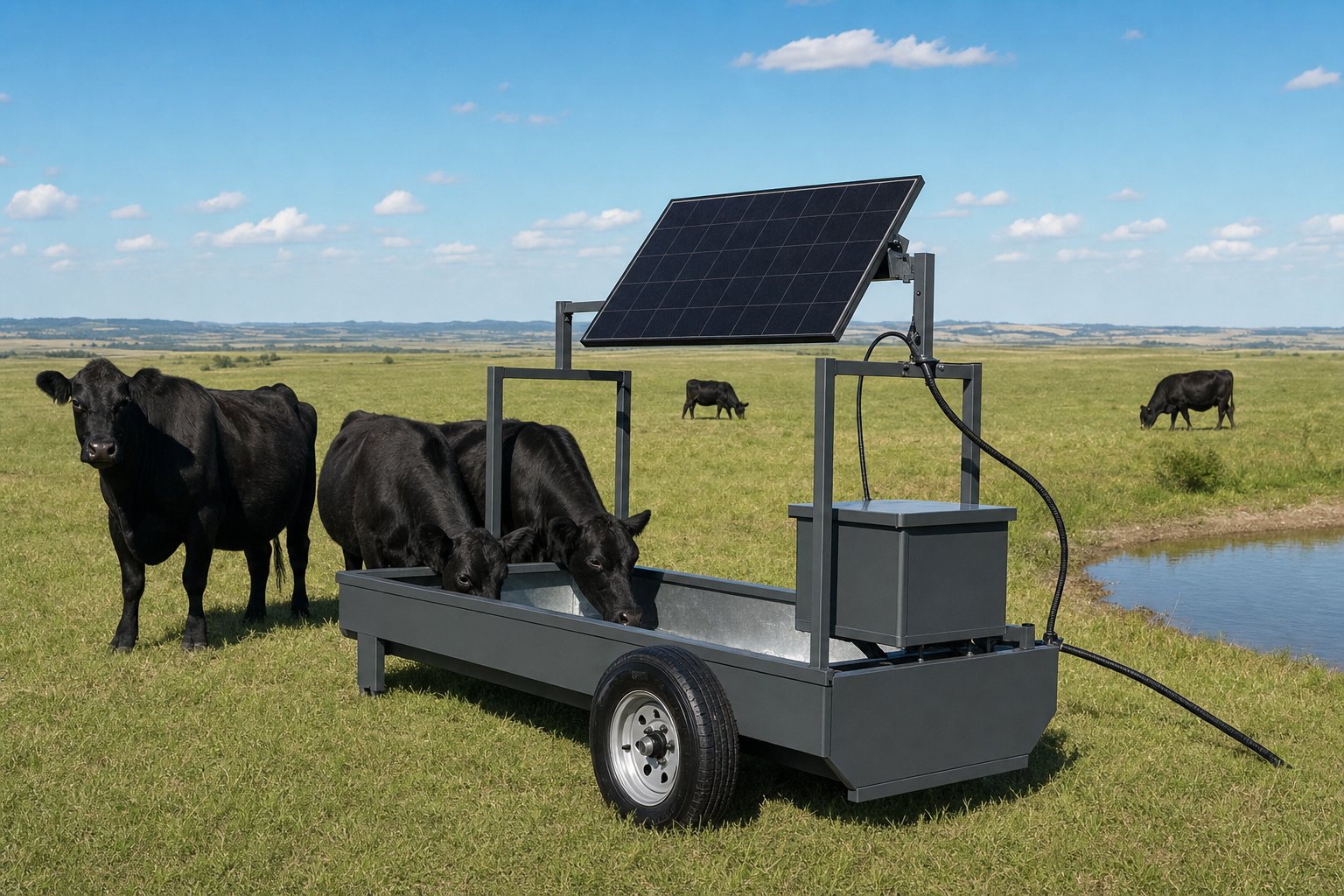
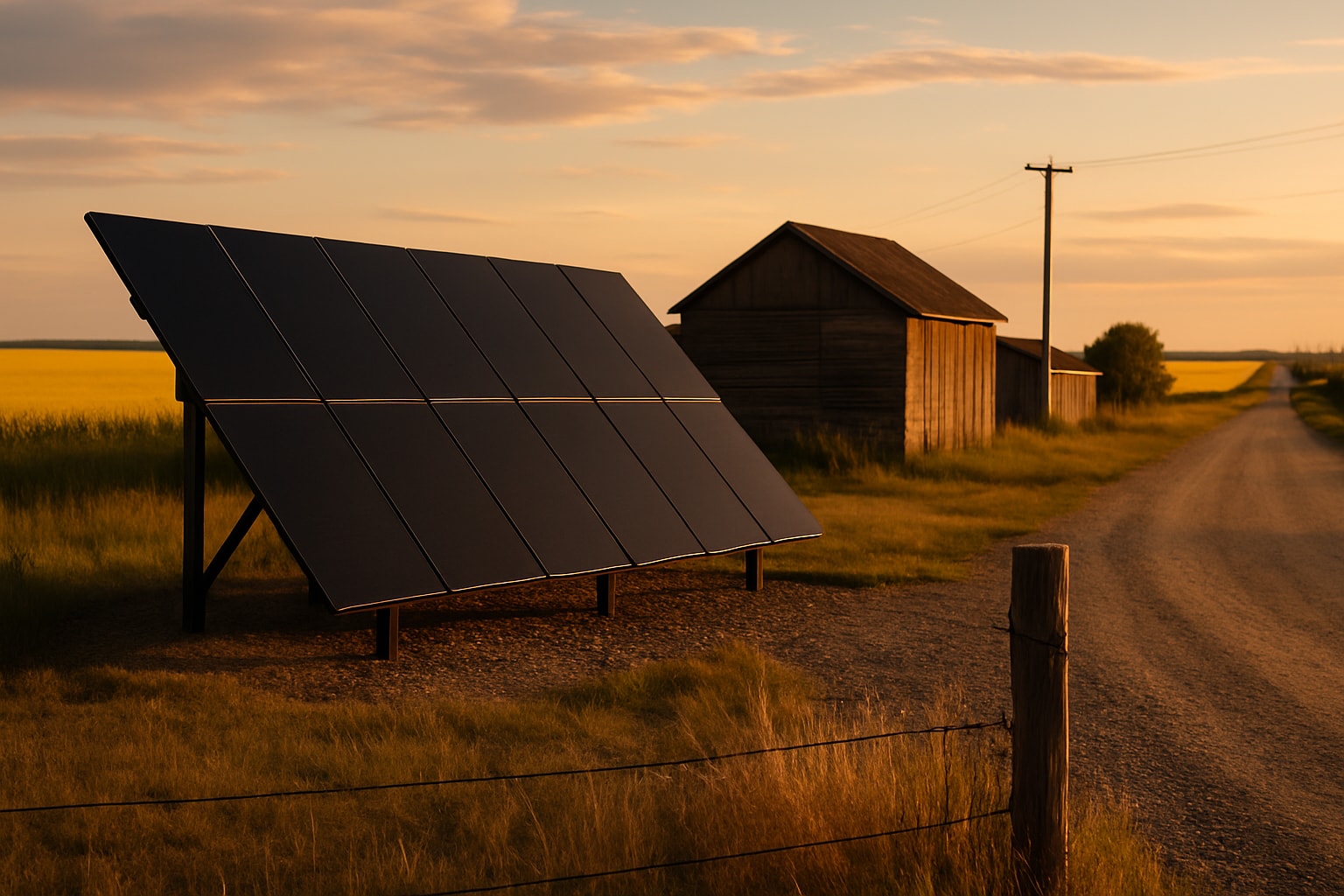
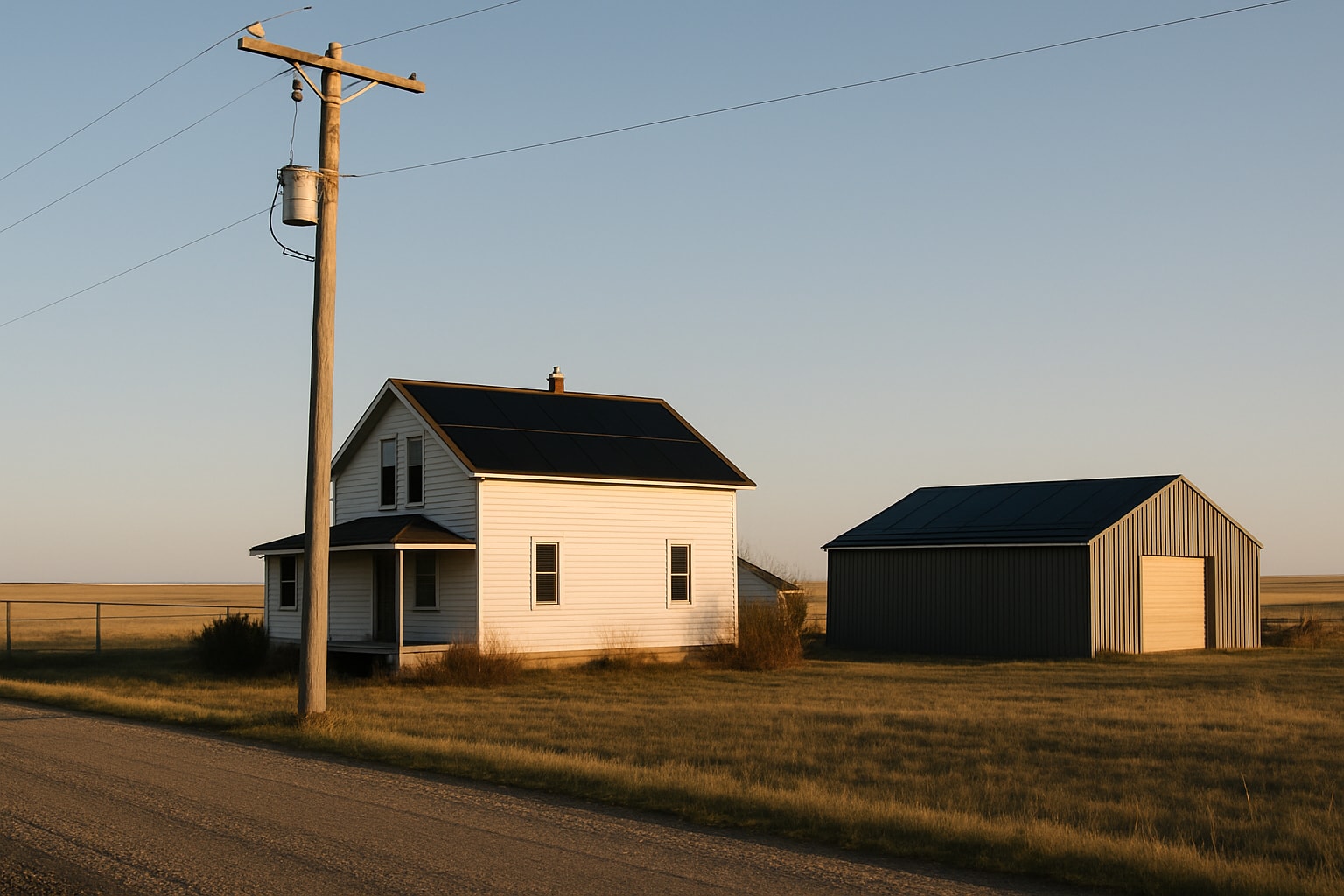
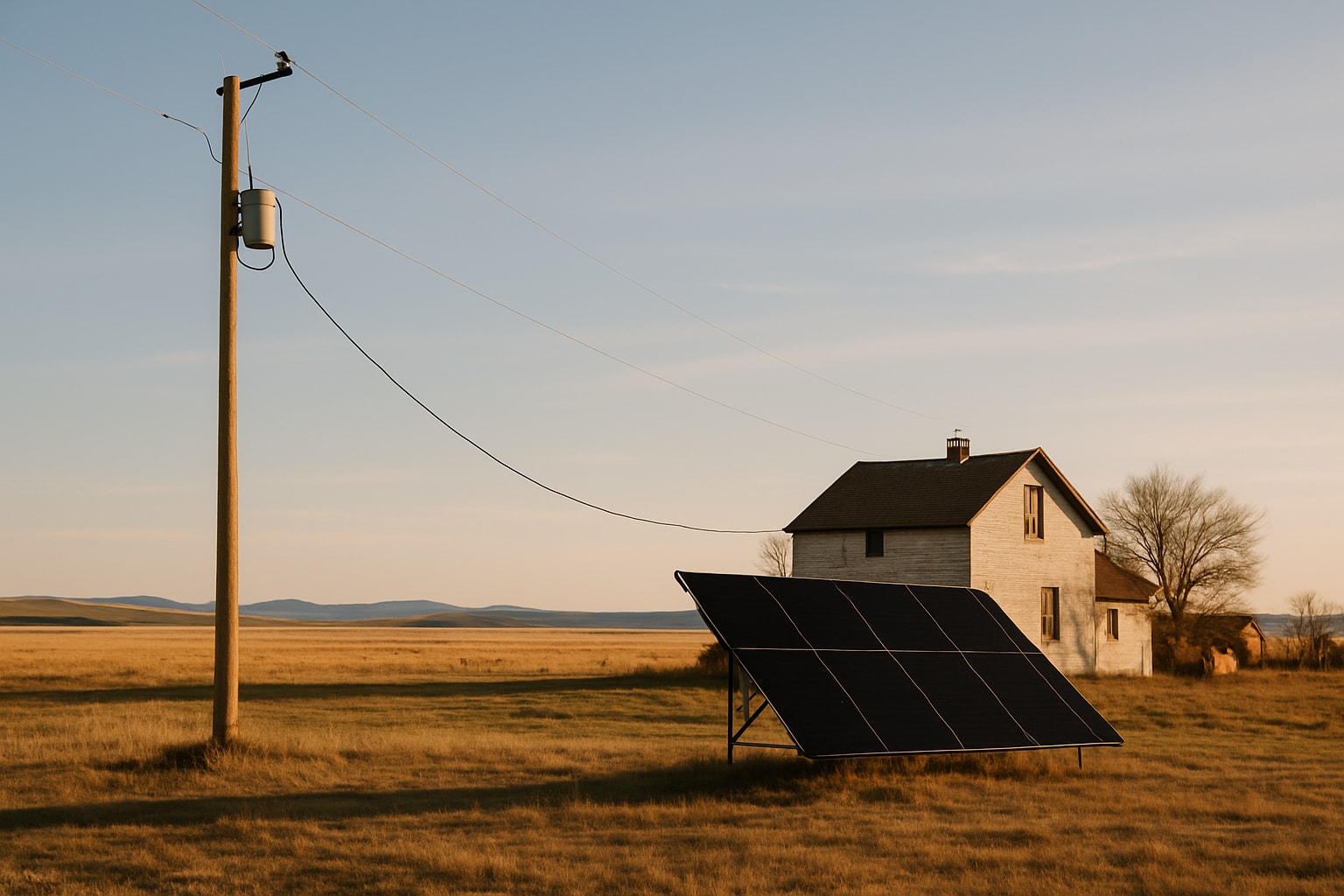
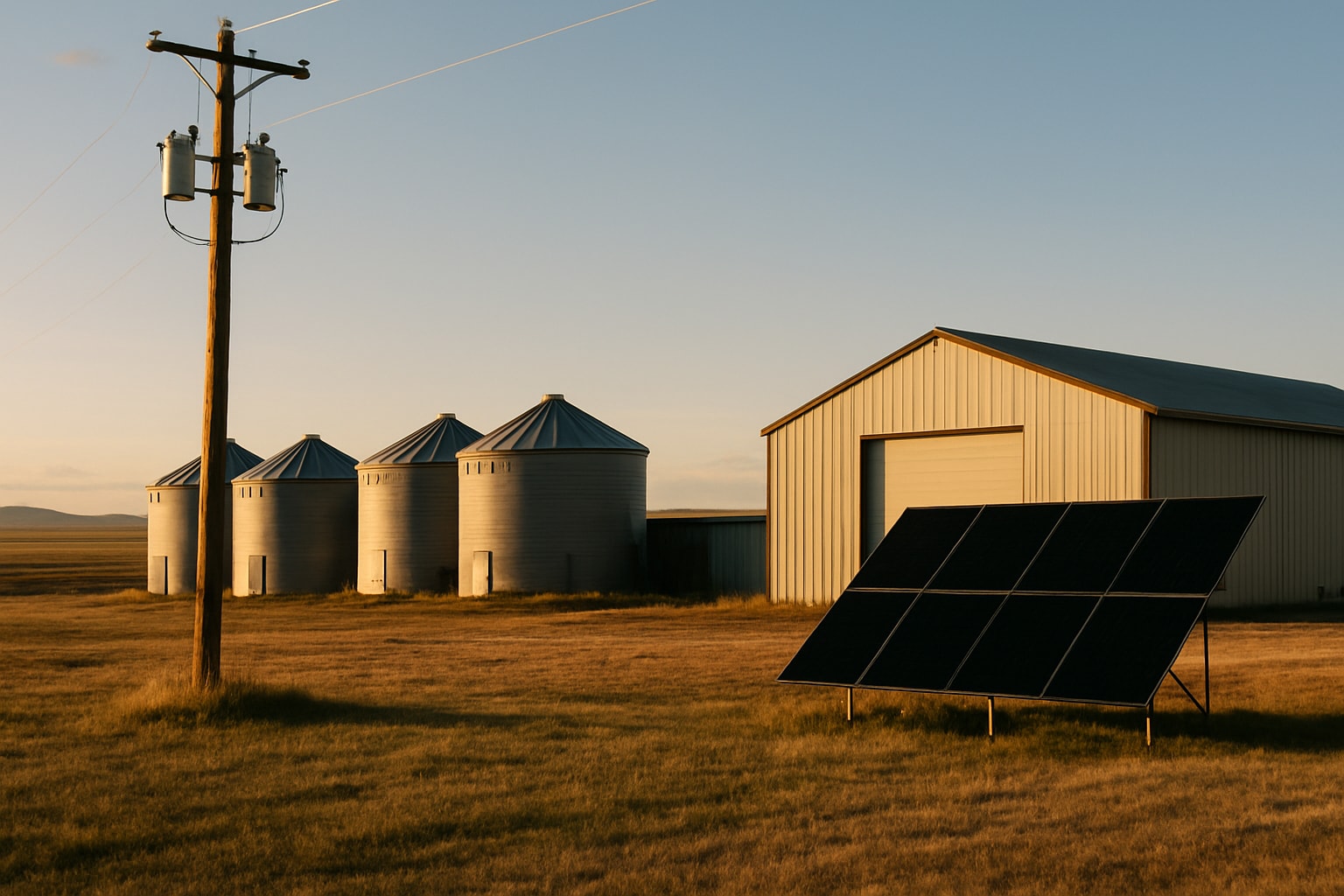
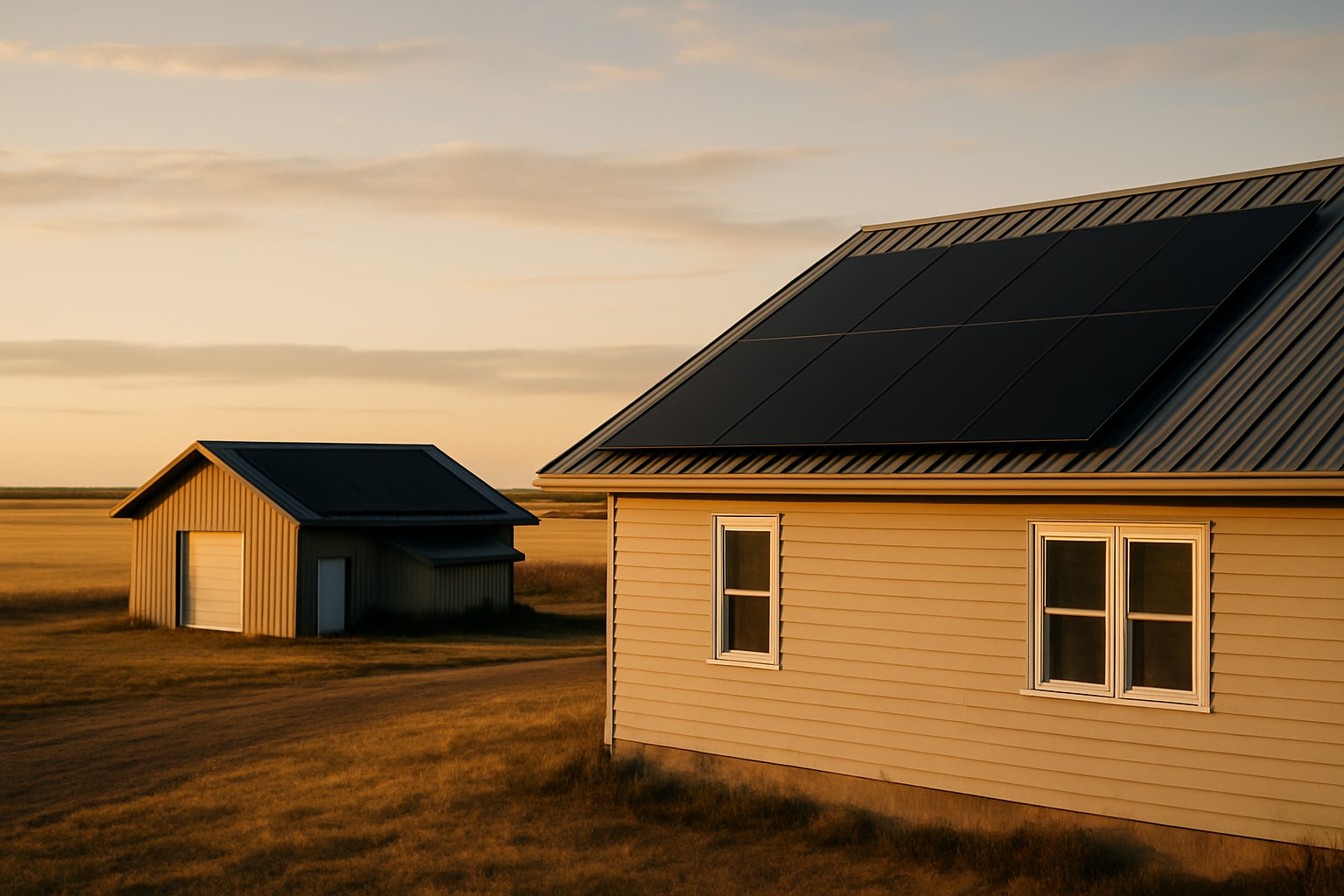
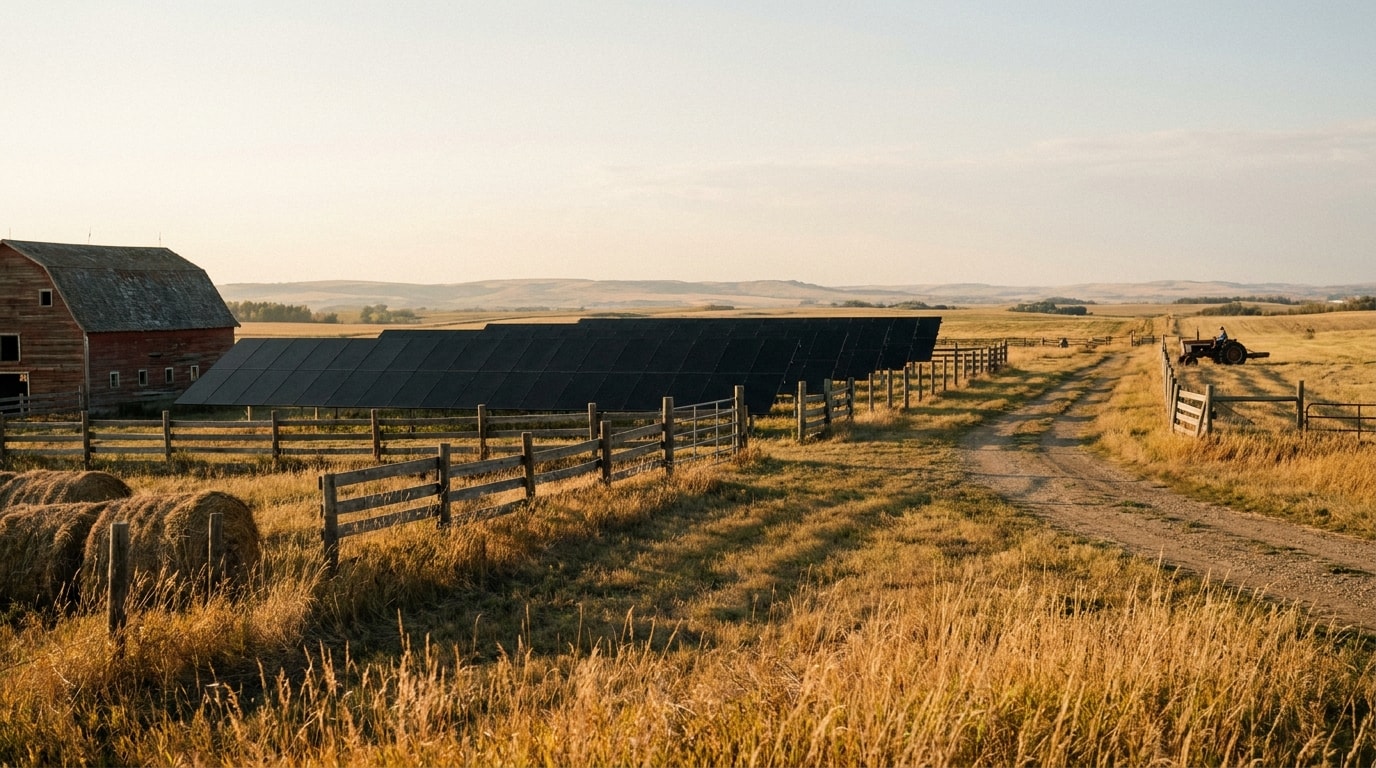
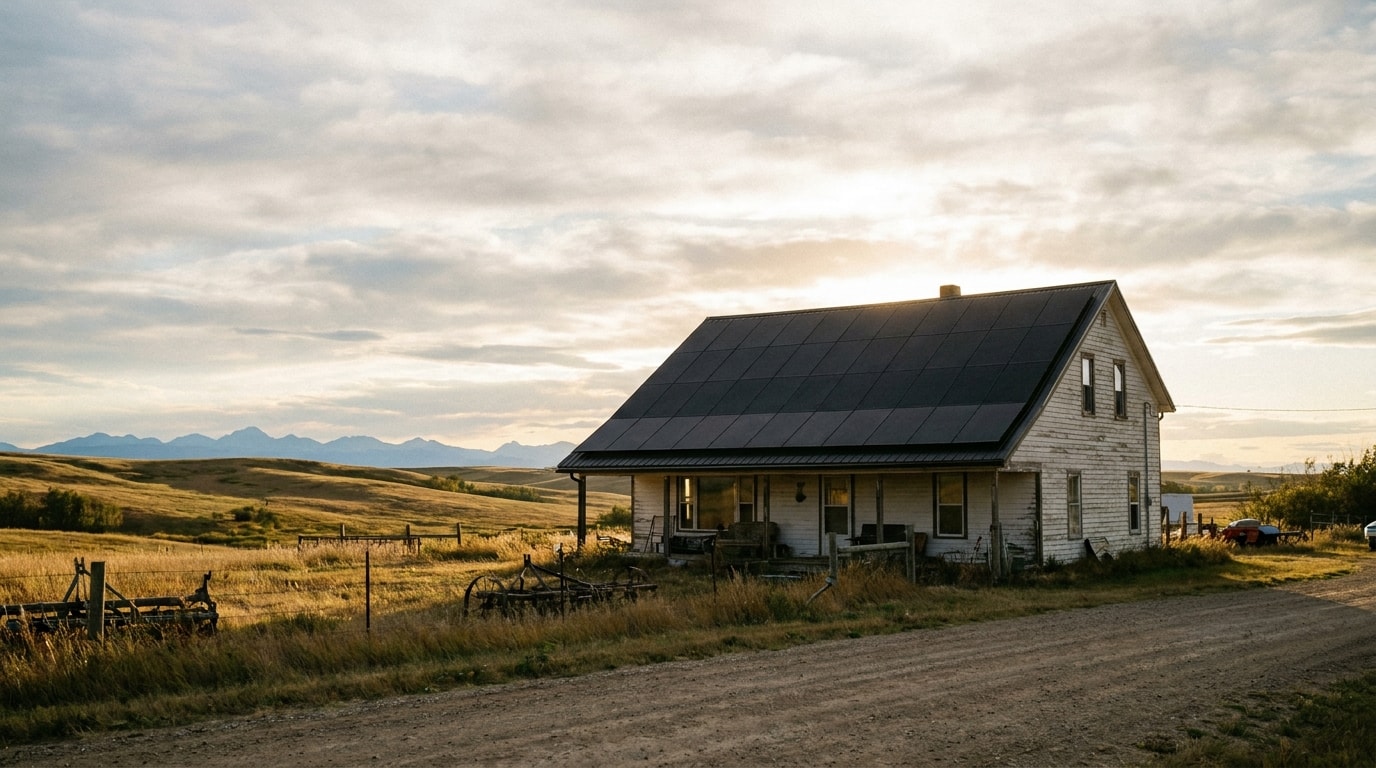
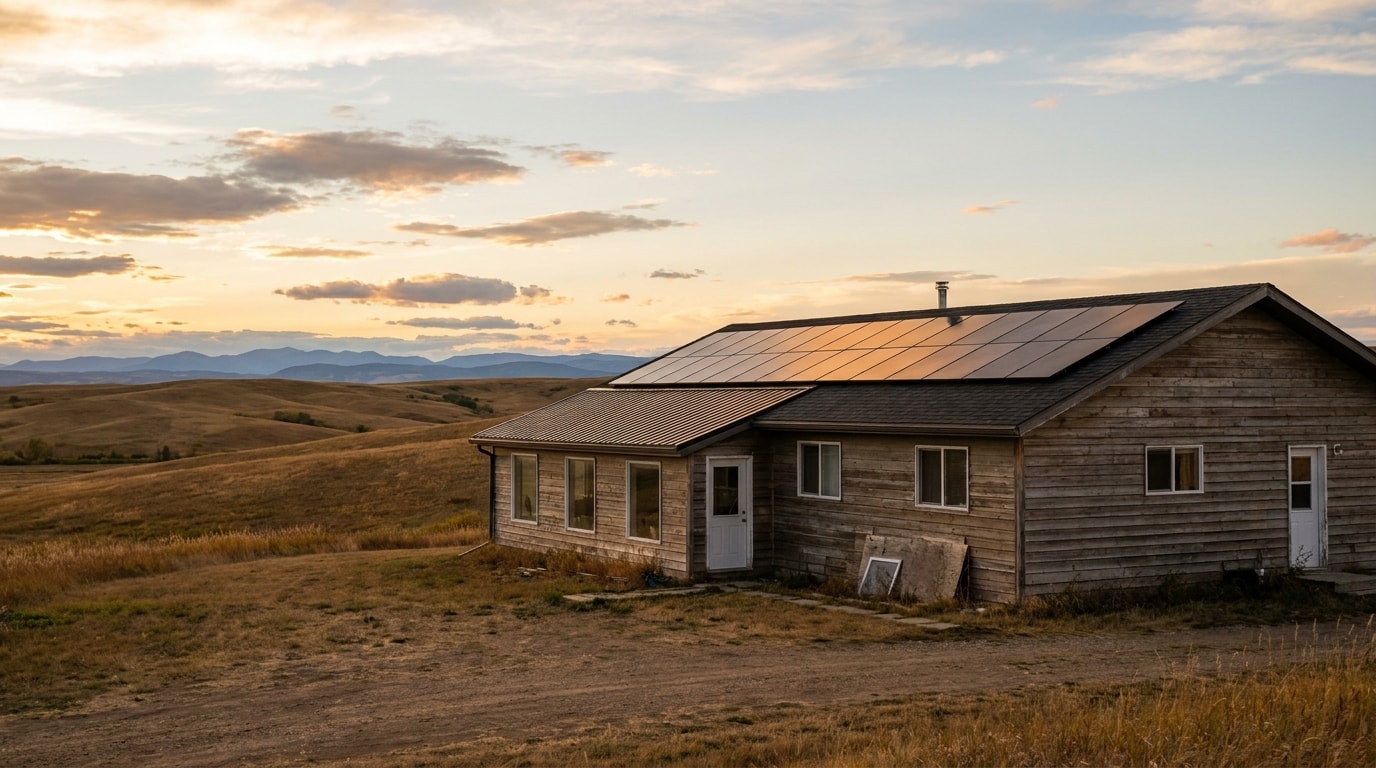
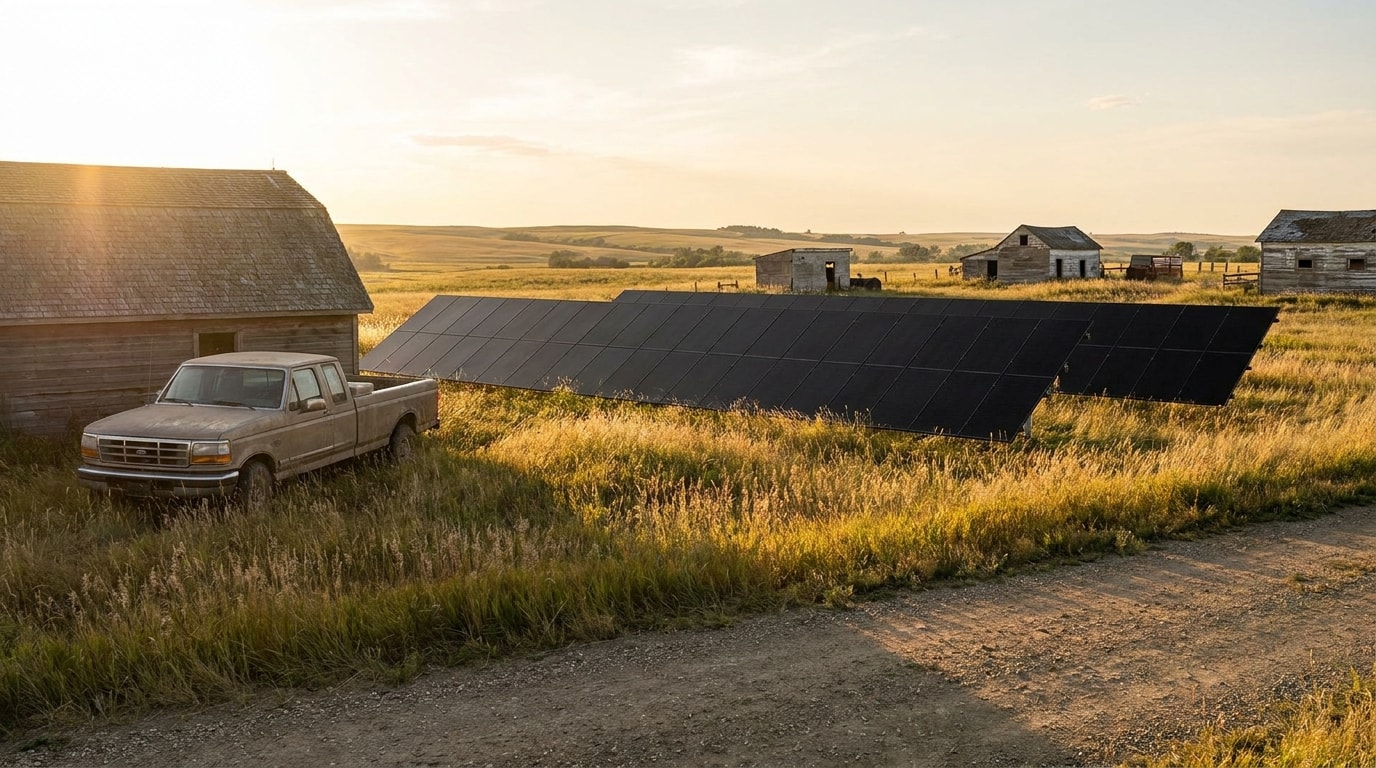
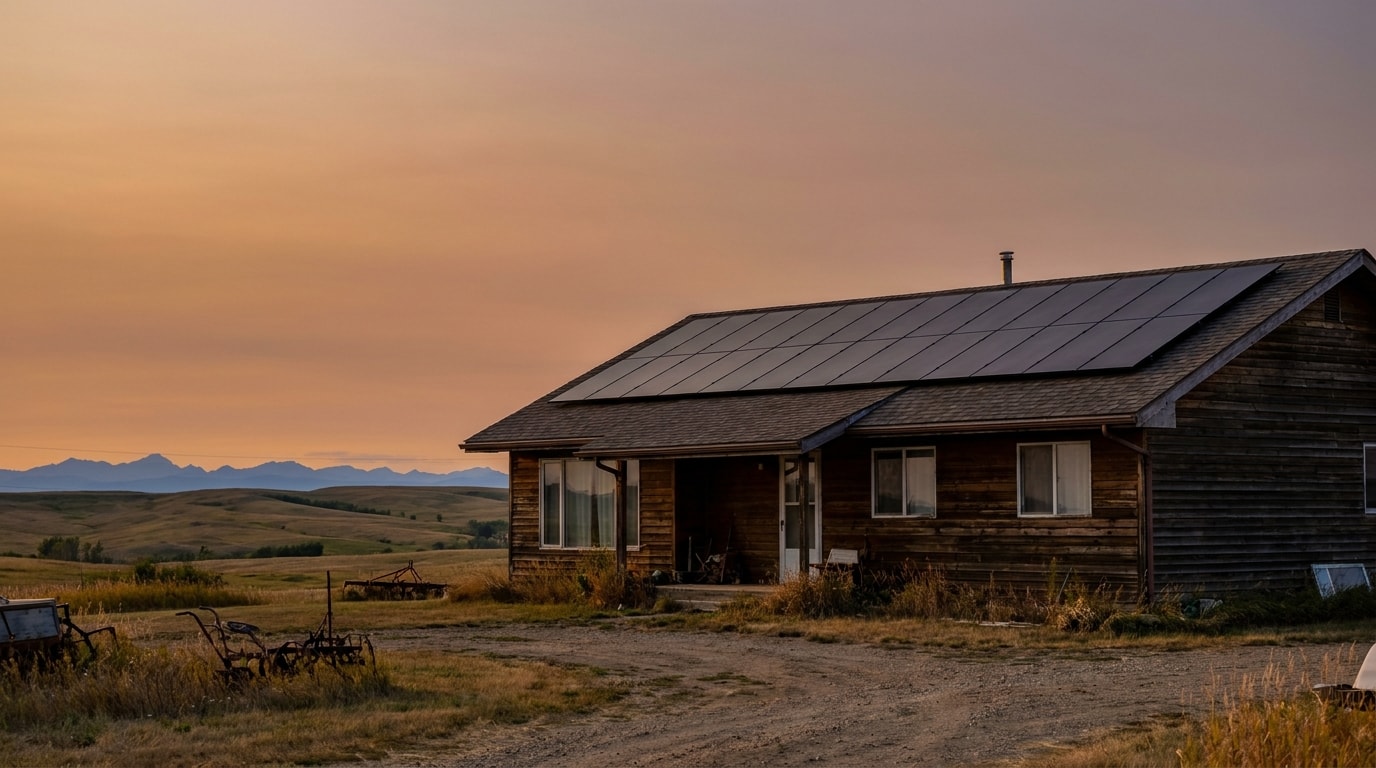
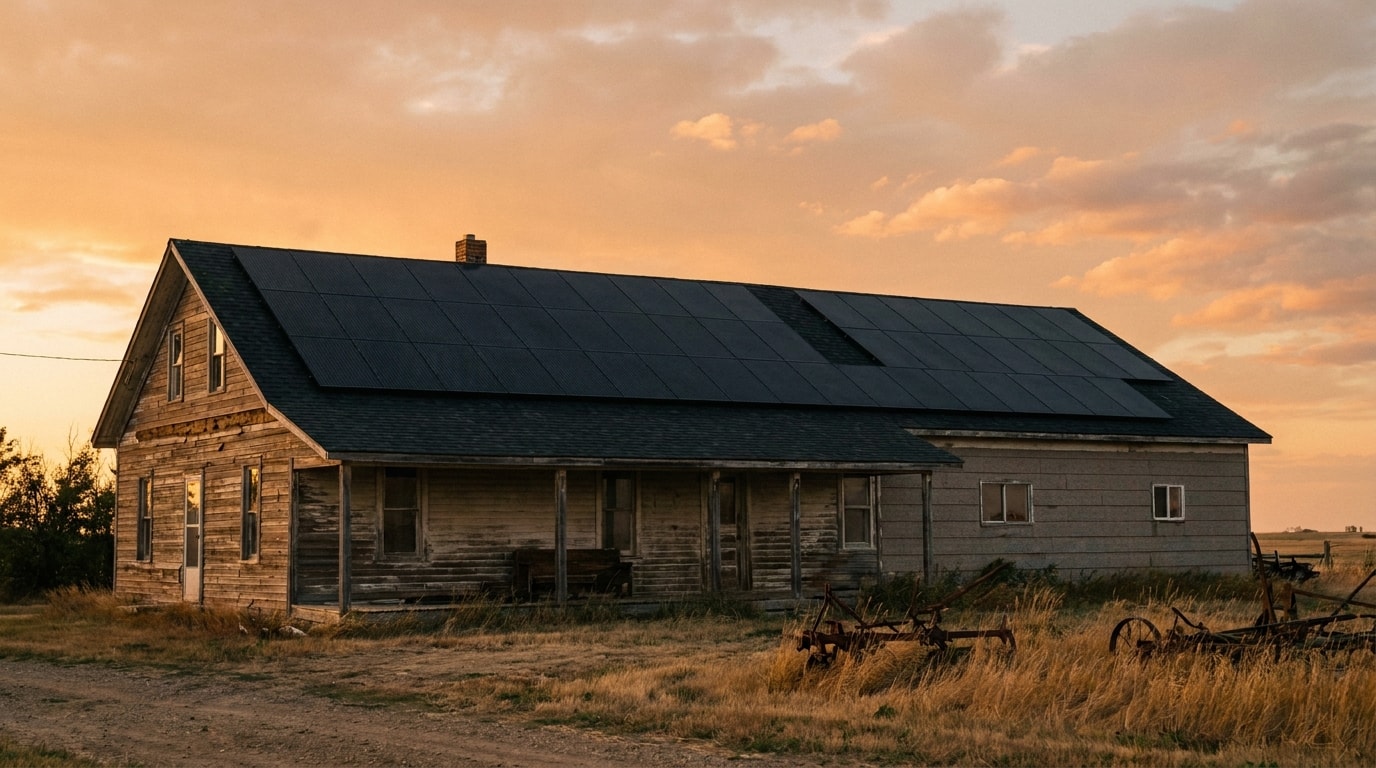
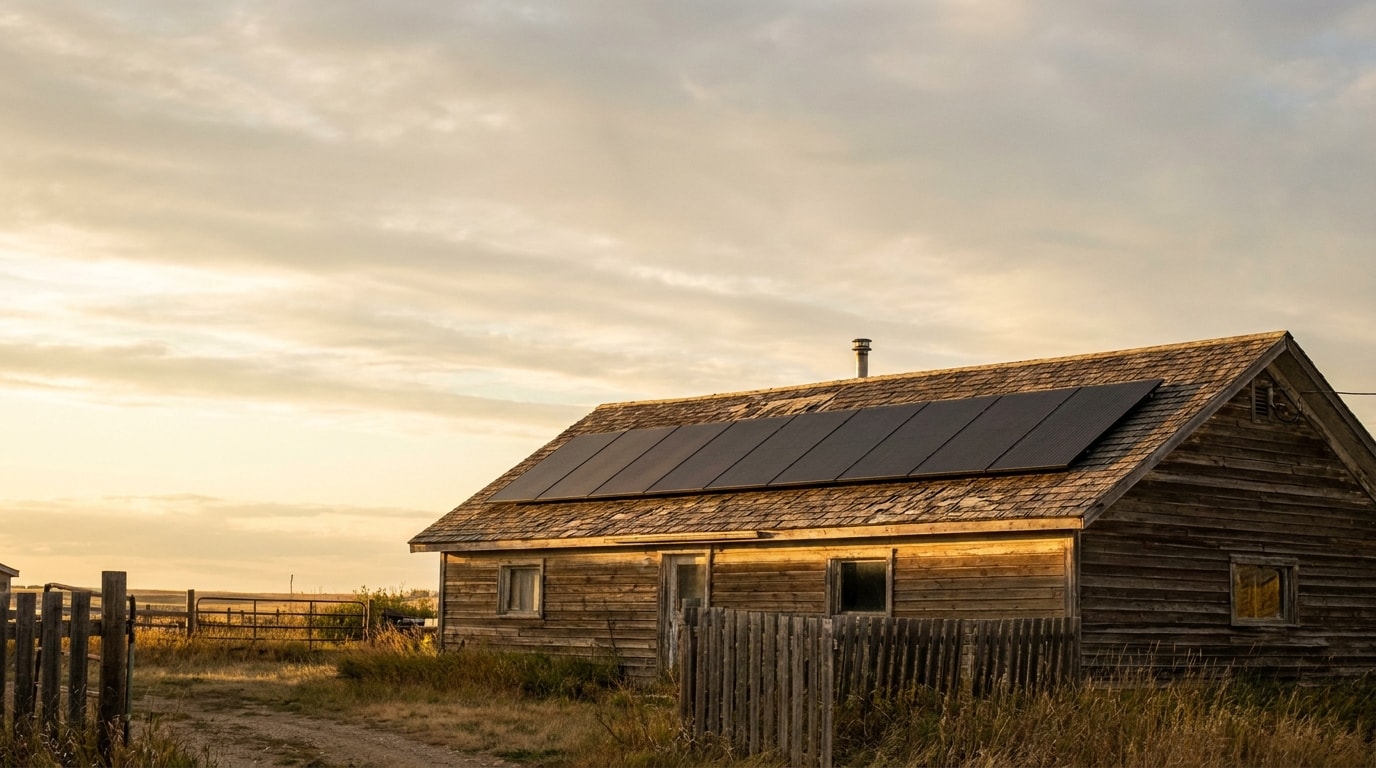
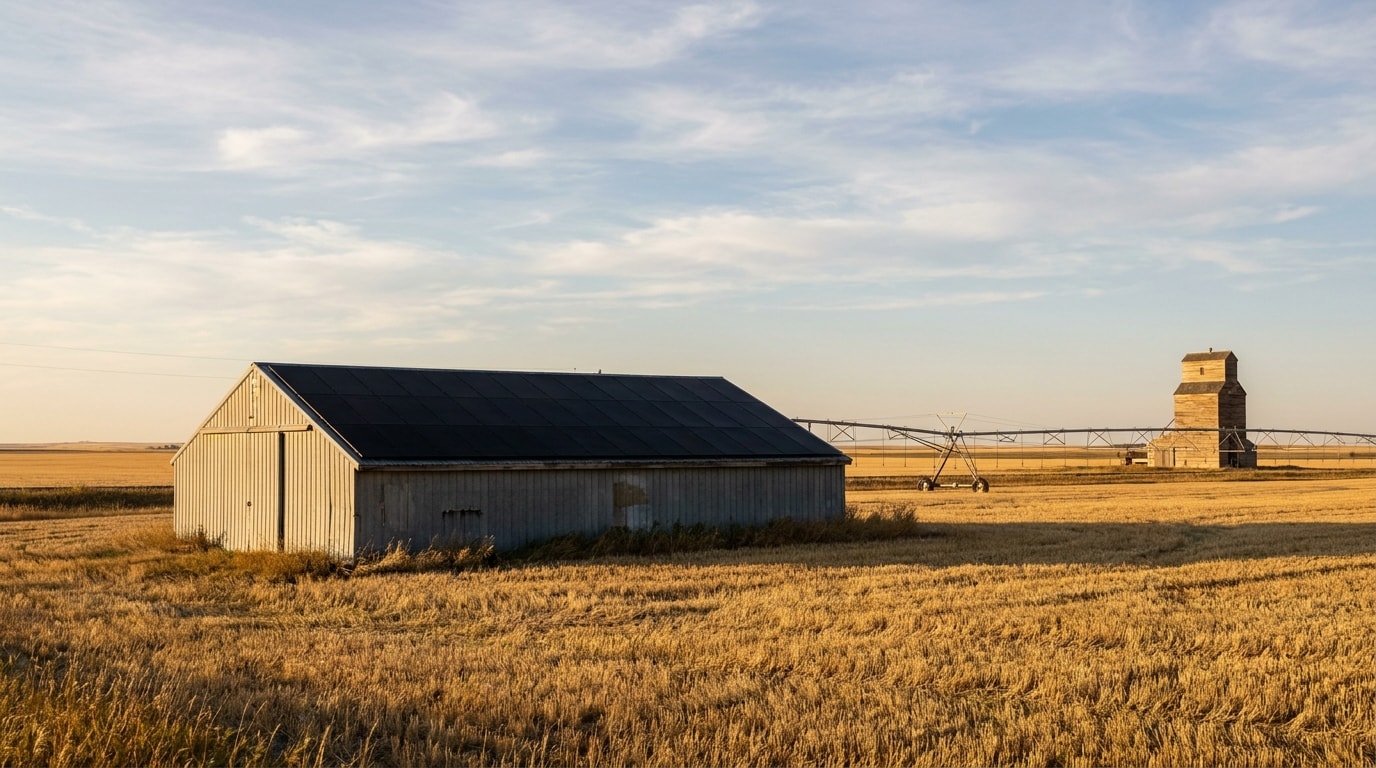
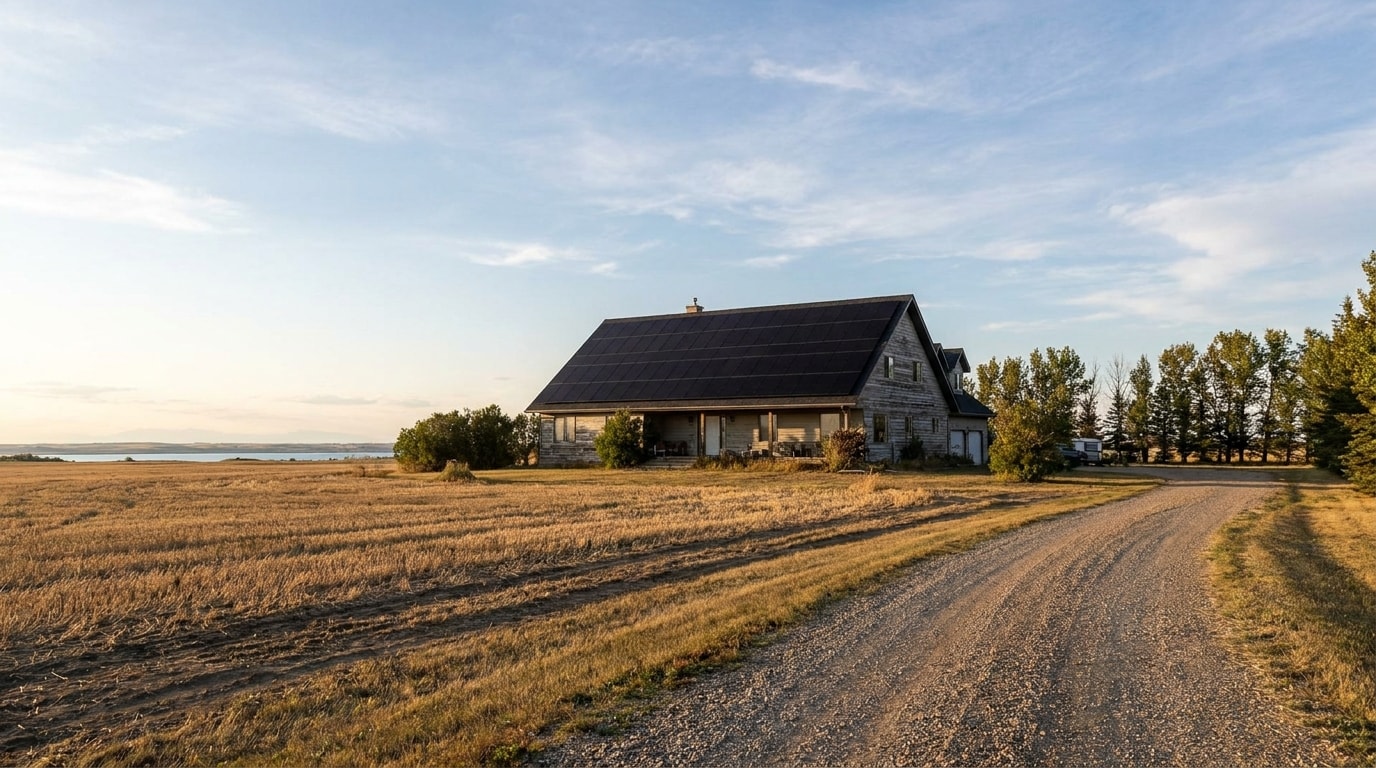
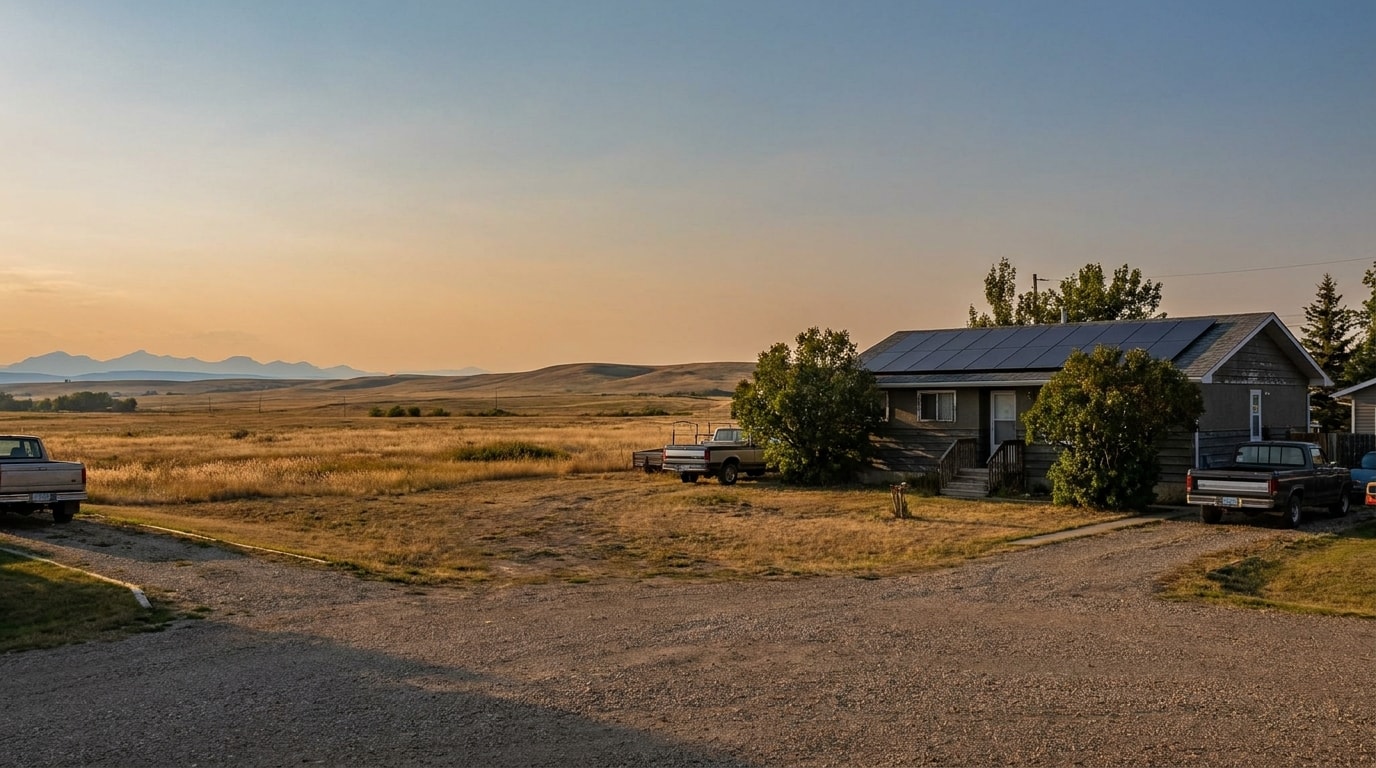
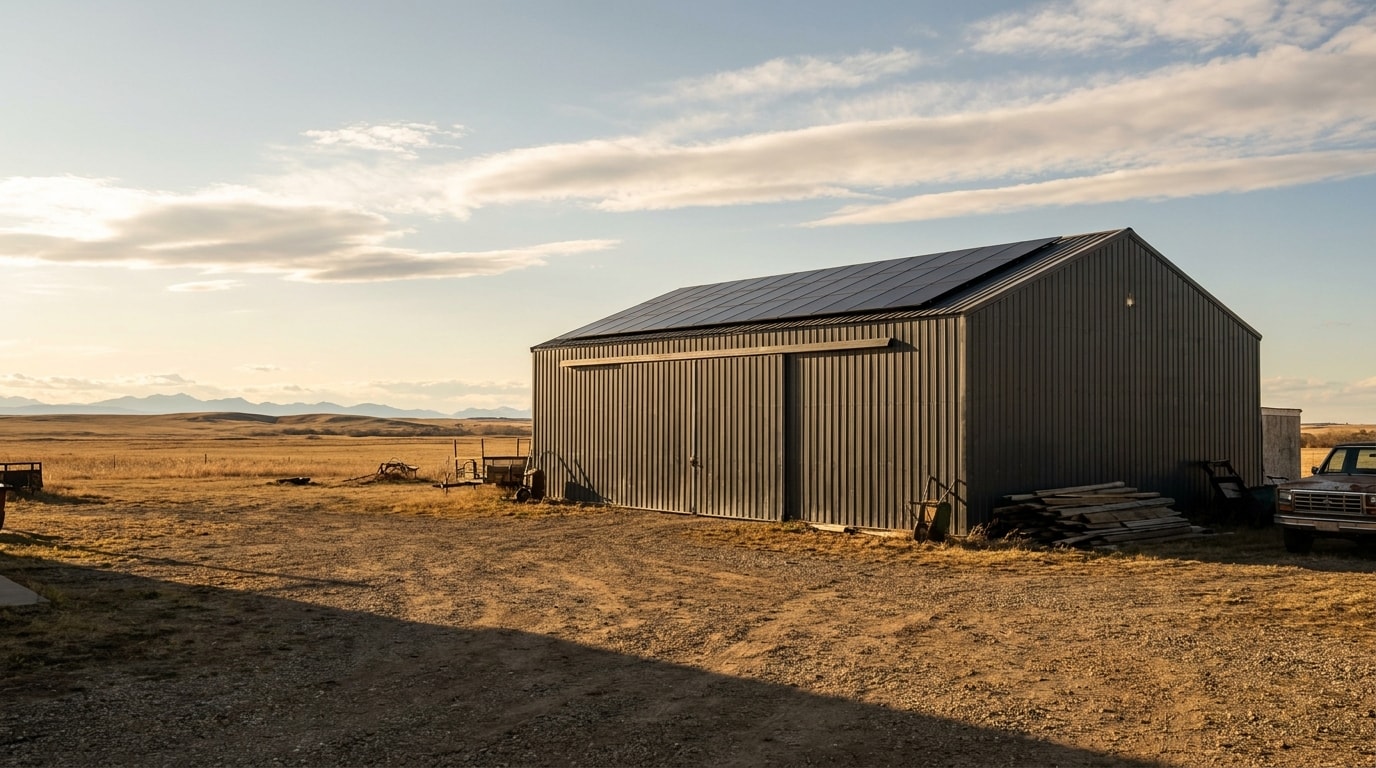
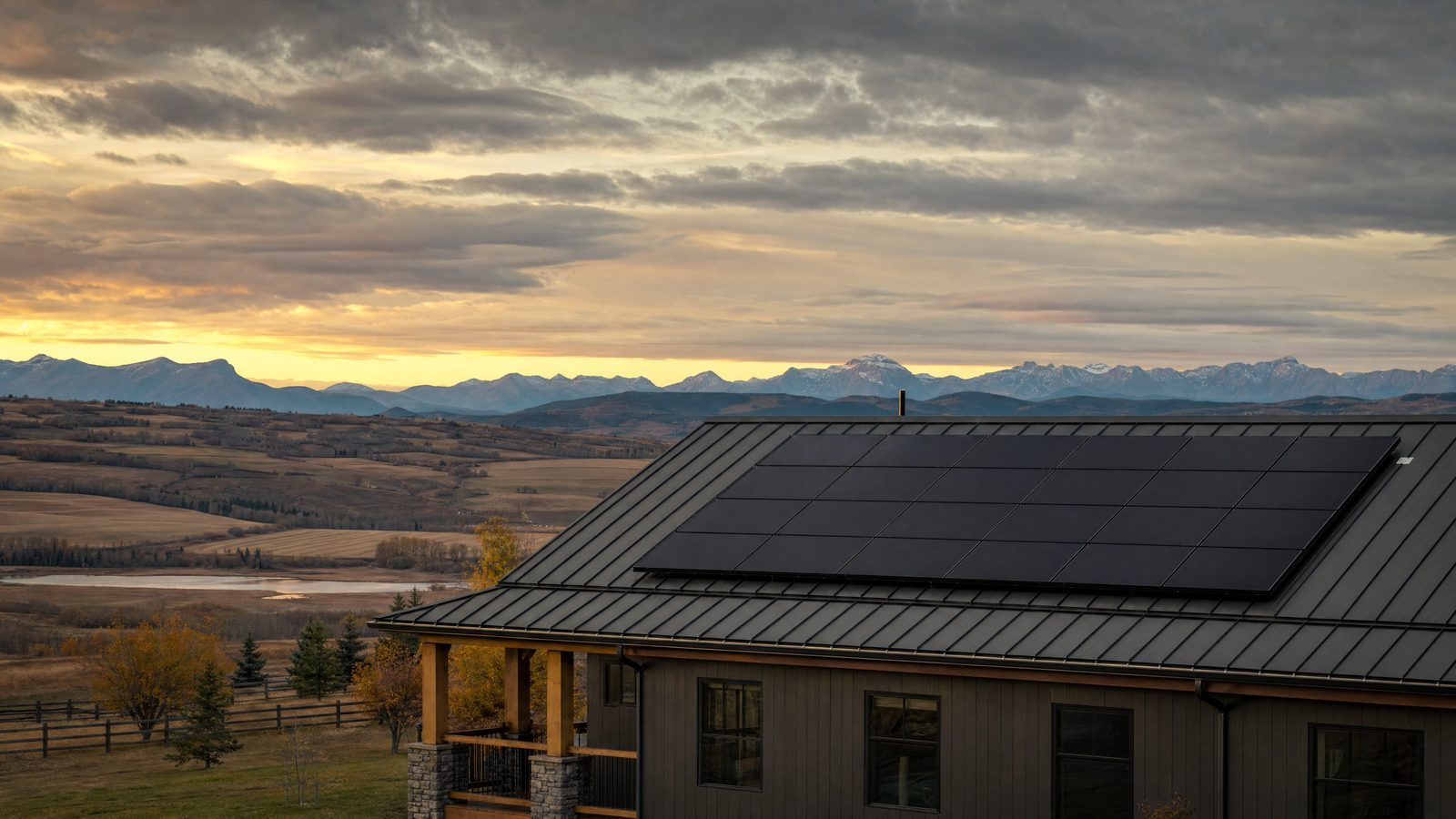
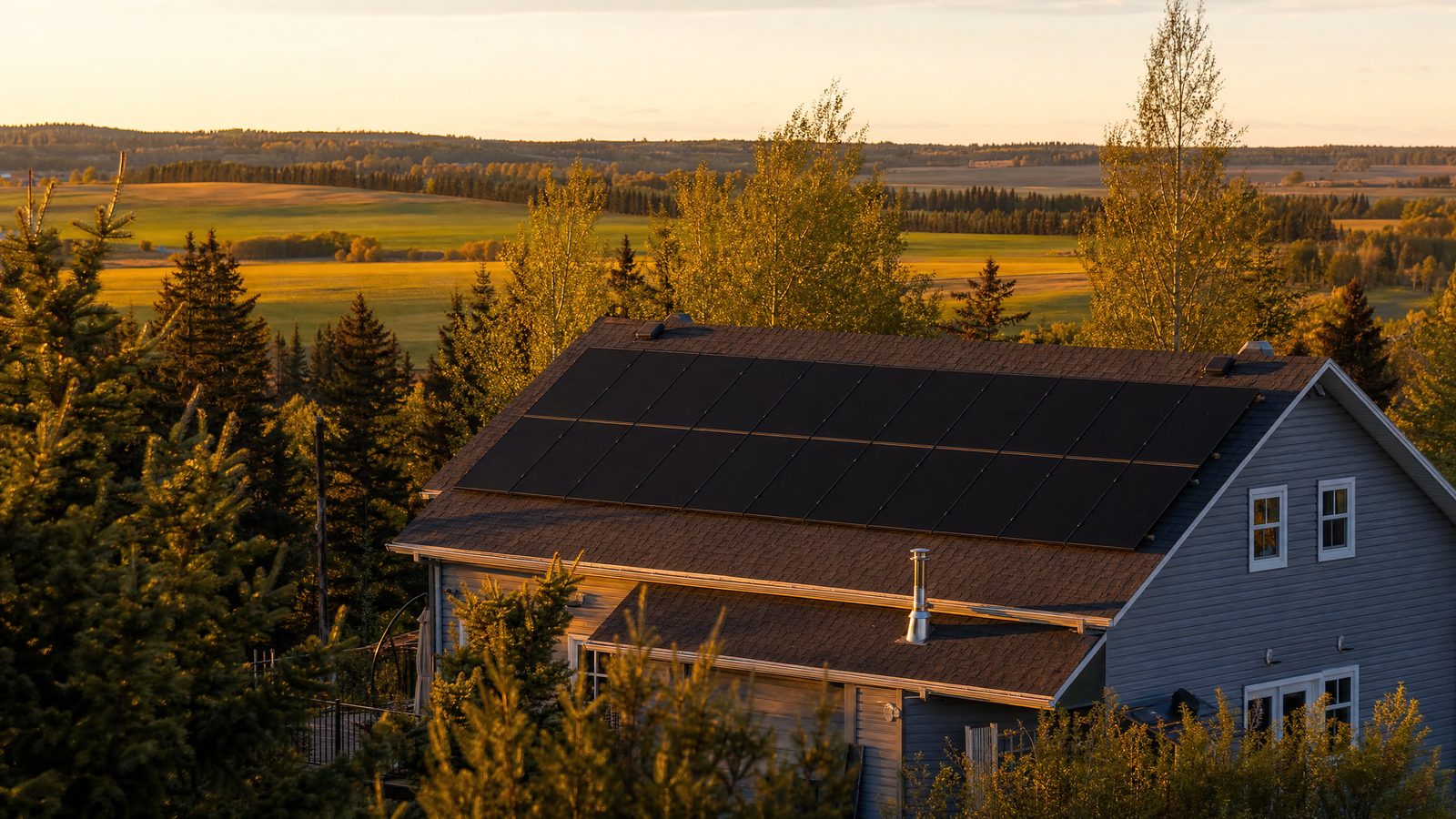
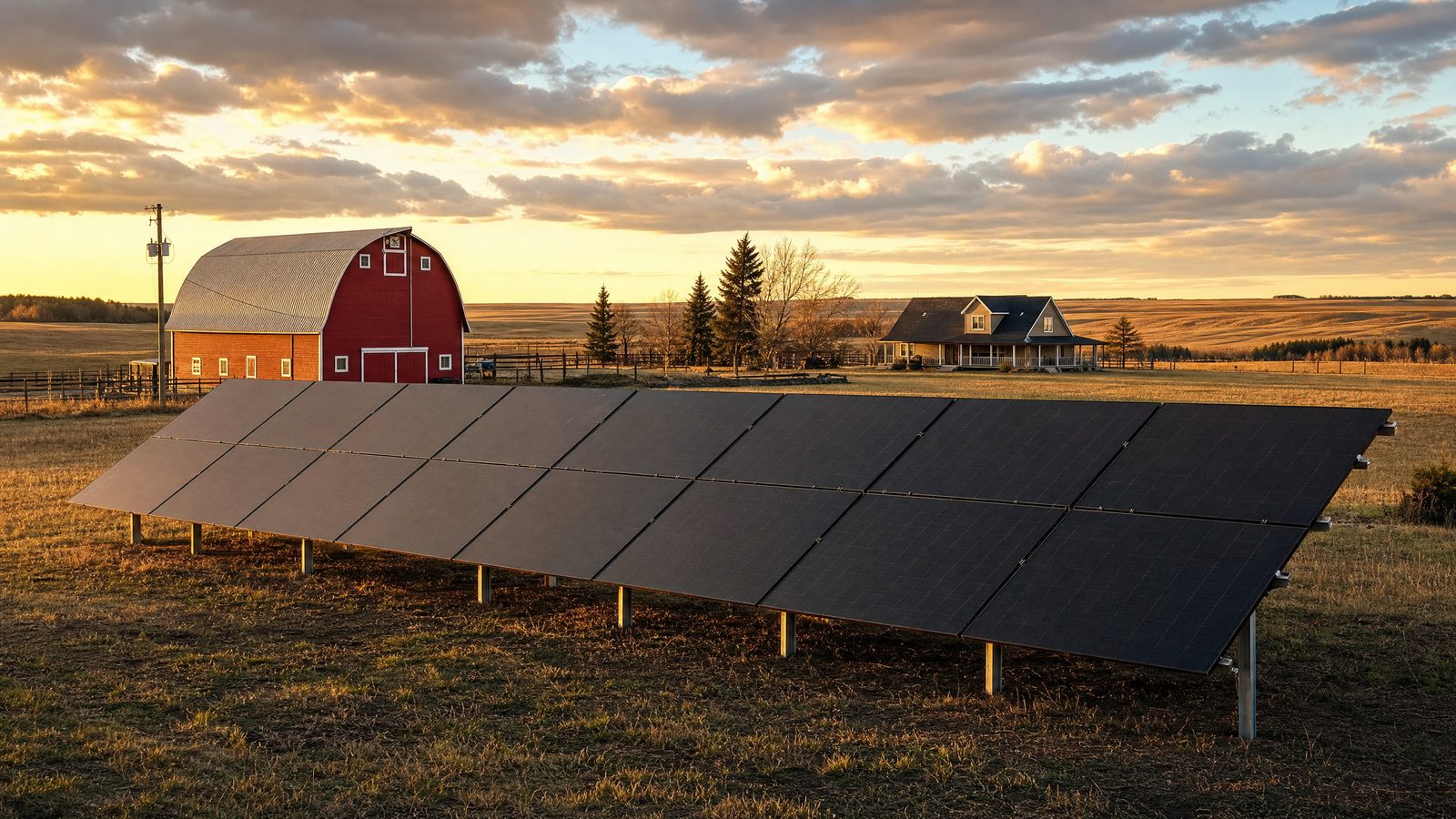
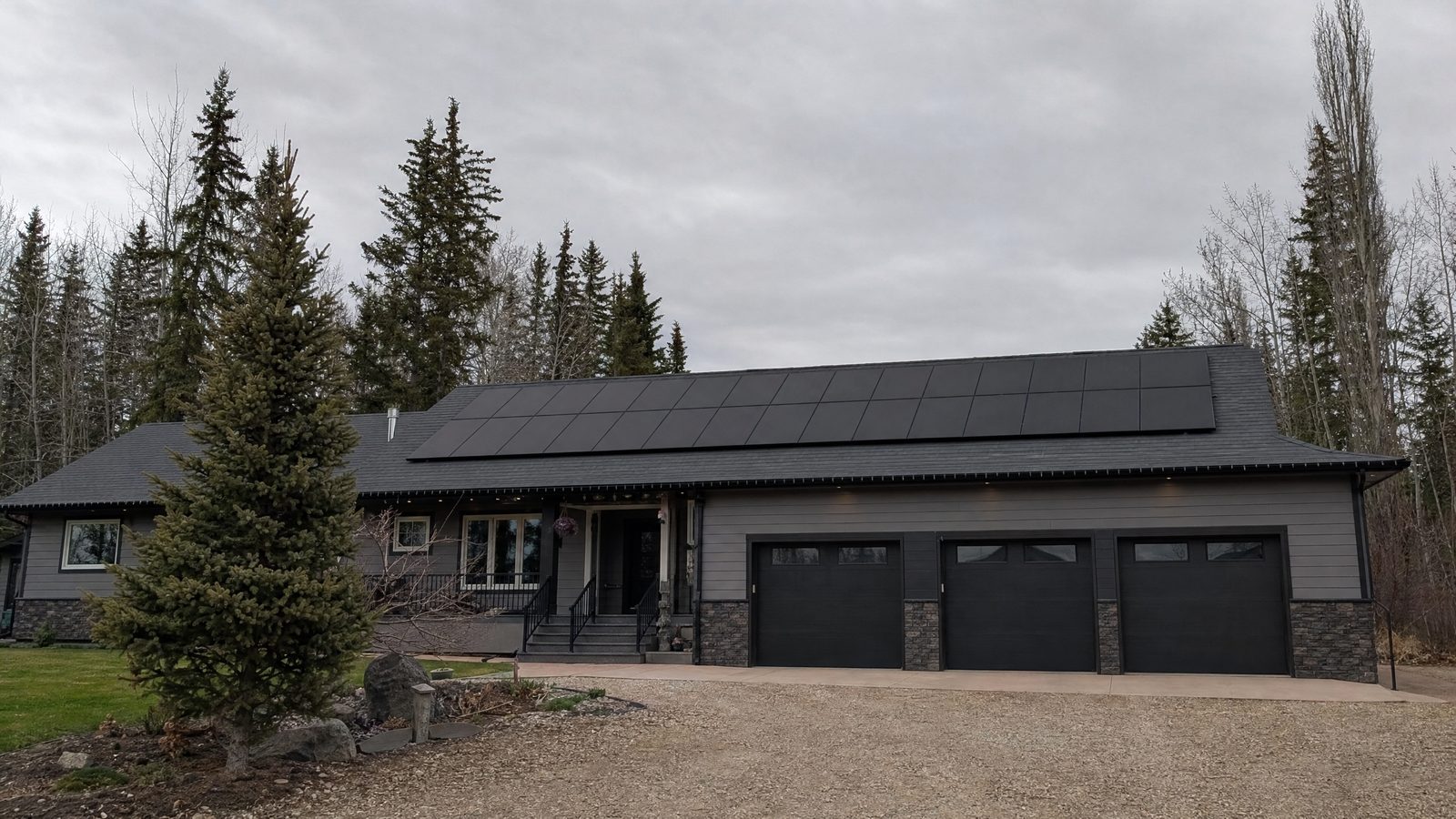
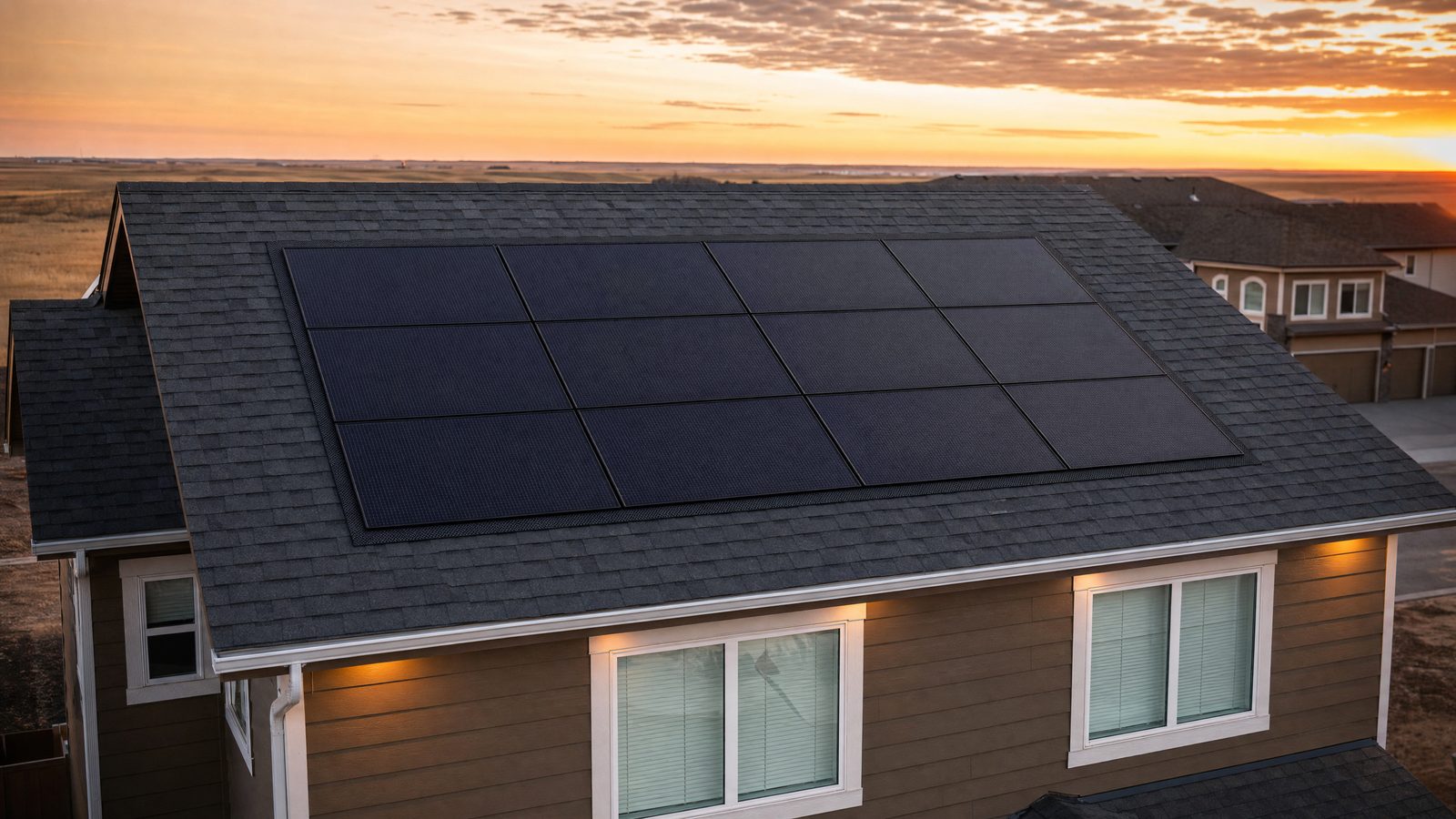
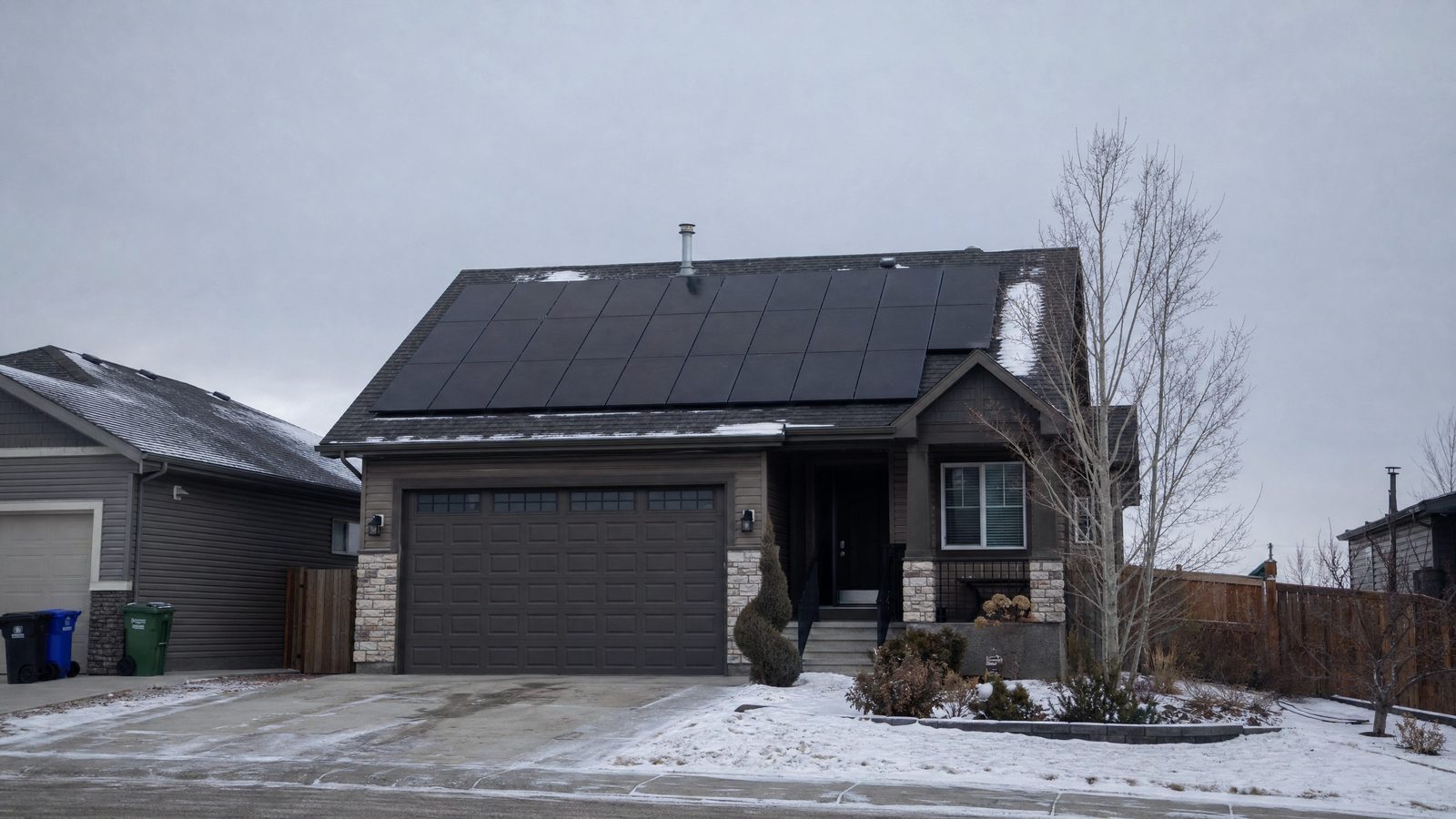
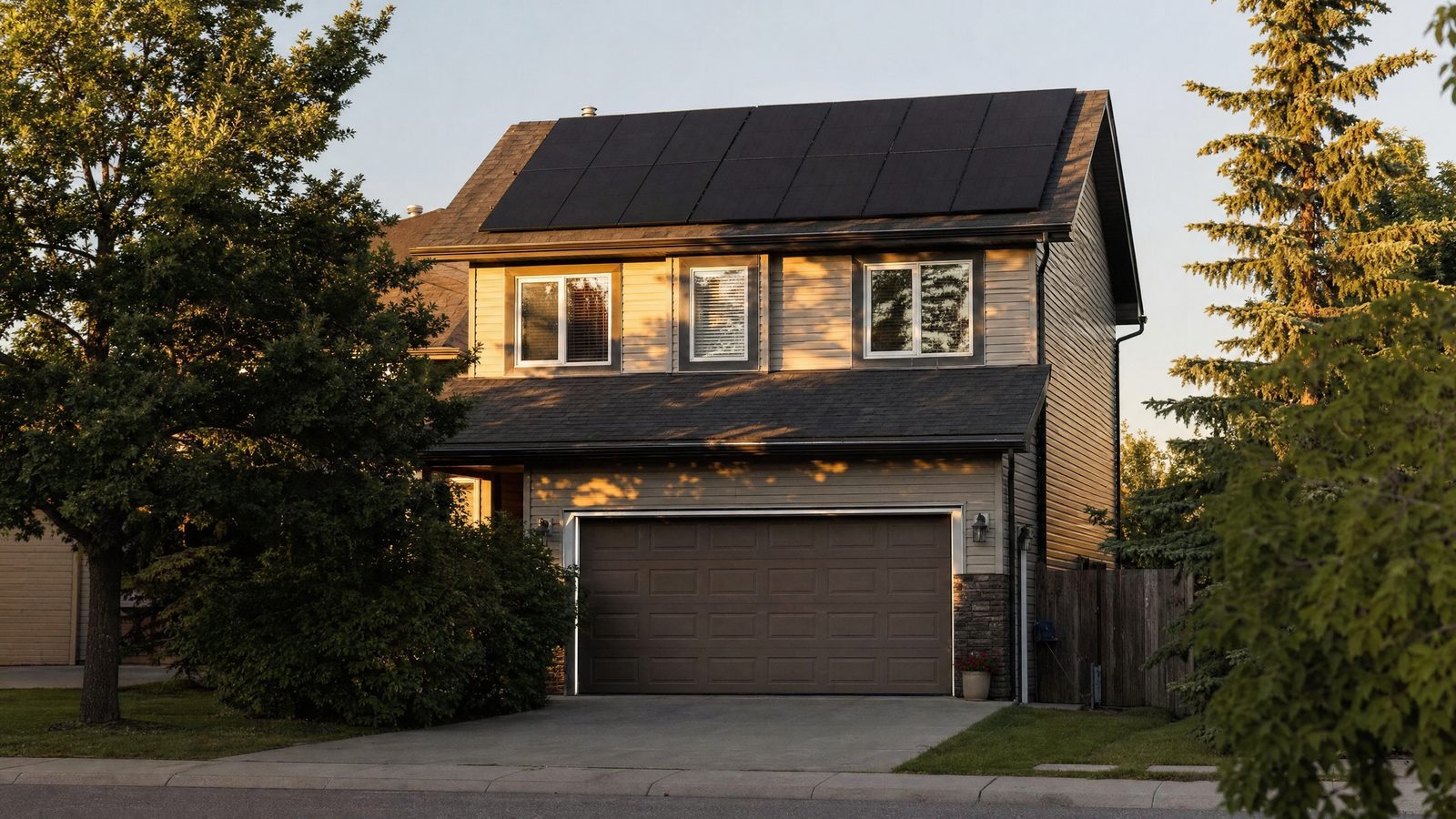
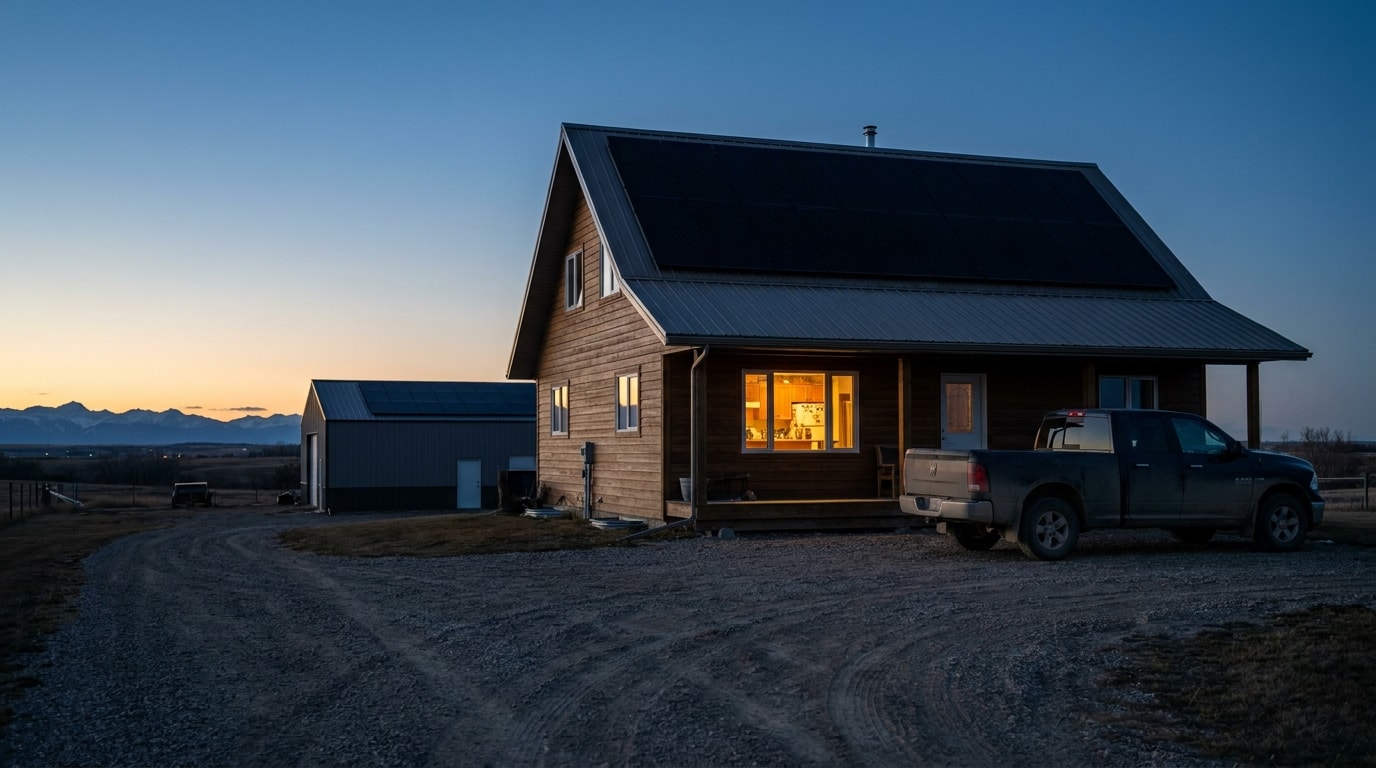
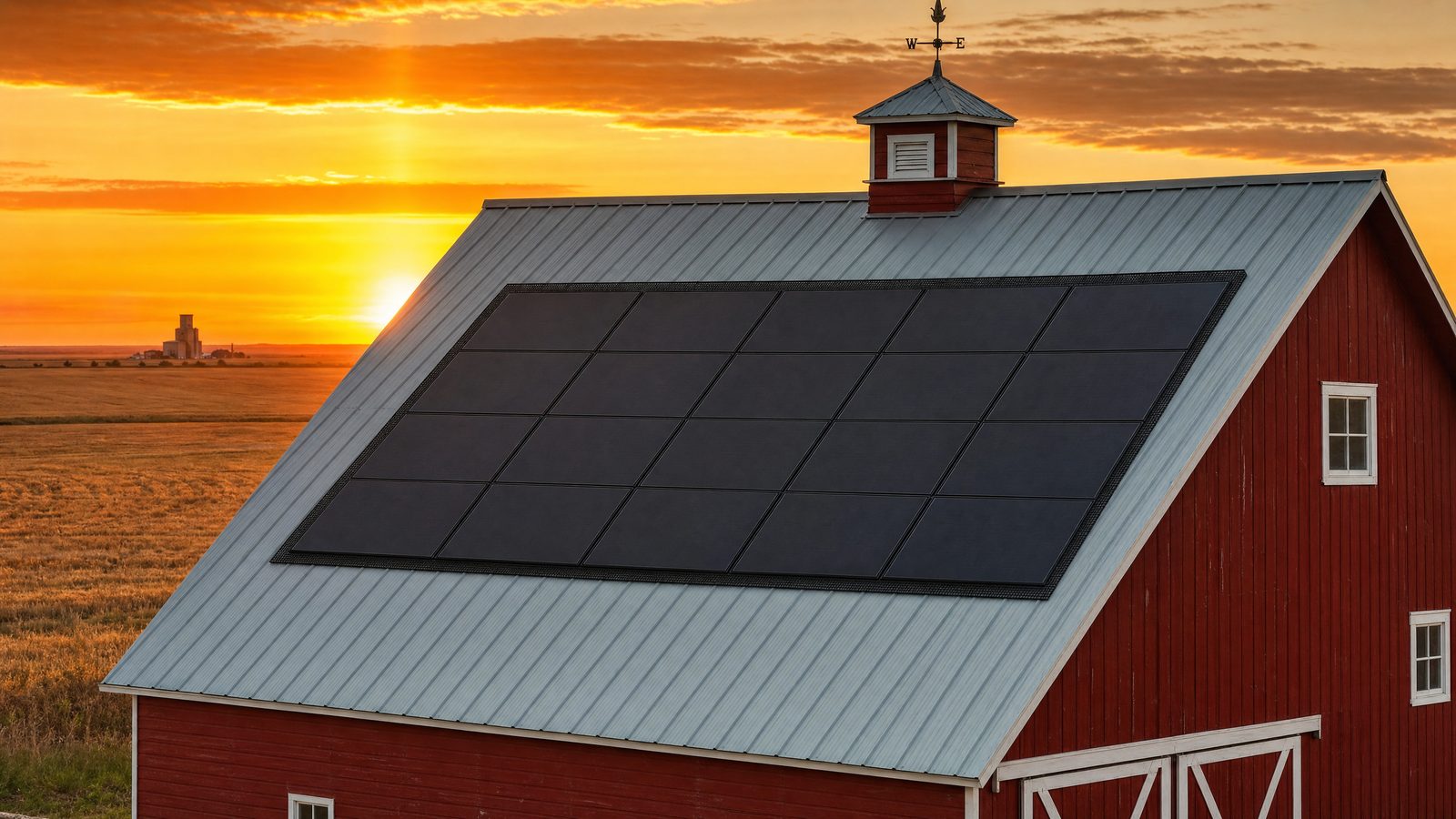
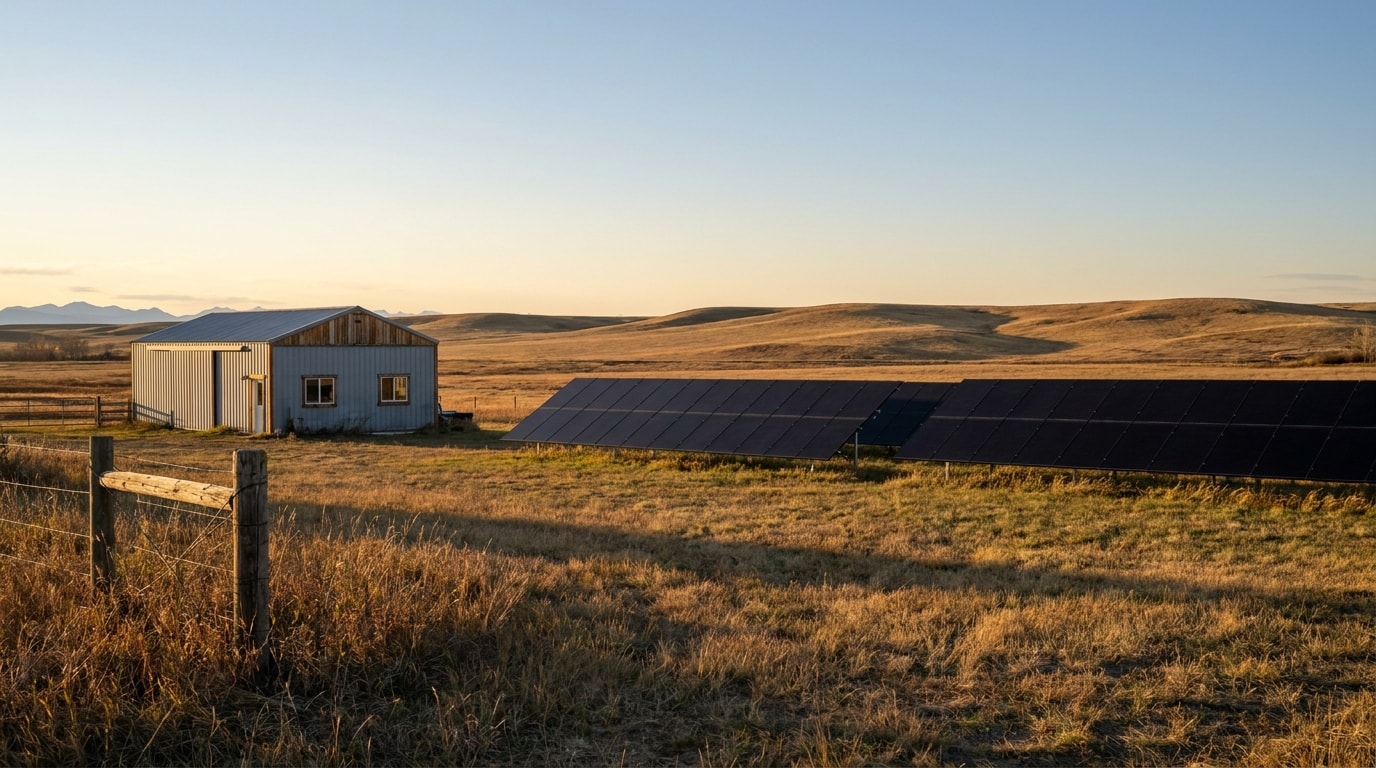
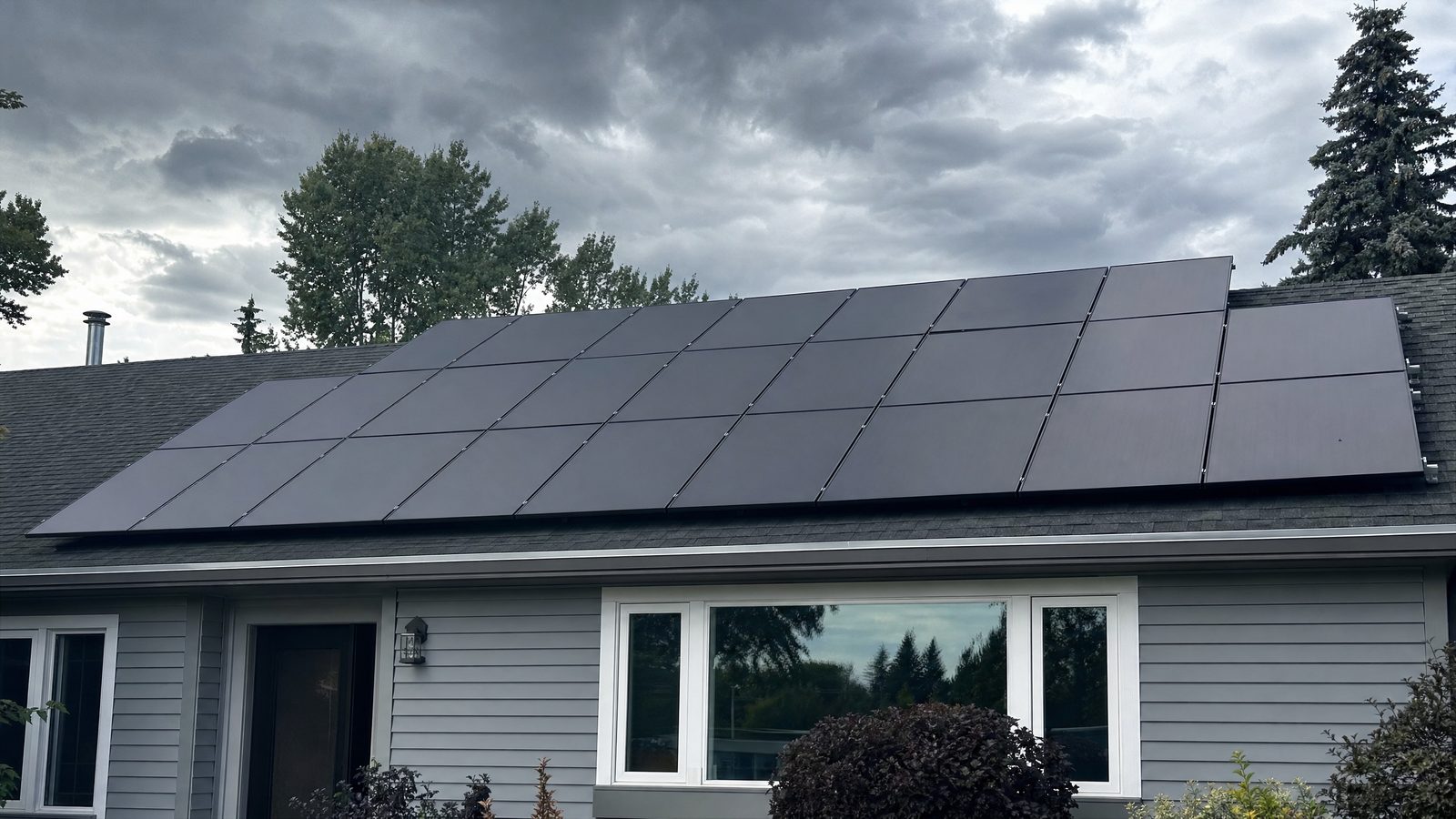
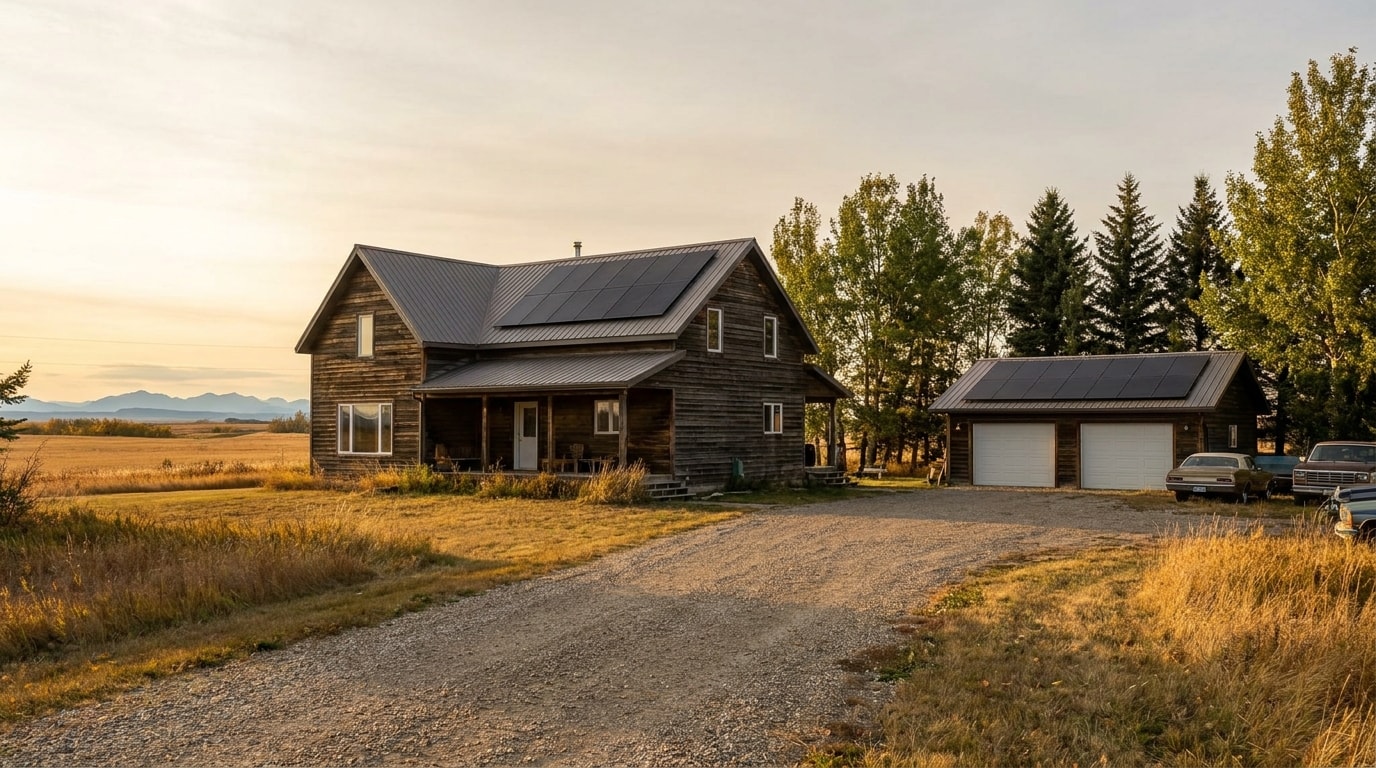
We built a full Off-Grid Solutions section: livestock water pumps, a portable pump trailer, cold-storage lighting, RV and trailer power, and whole-site cabin systems. Real sizing, real prices.
Most acreage owners wait until spring to think about solar. That is exactly the wrong order. Here is why winter is when the smart ones get ahead of the line.
Not every solar company bidding on your Rocky View County acreage knows what they are doing. Here is how to tell the difference before you hand over a deposit.
Alberta solar systems overproduce in summer and underproduce in winter. Here is exactly how the credits bridge that gap — what the Micro-Generation Regulation guarantees, how the credits appear on your bill, and a month-by-month walk of a 10 kW rural system.
If your property is in FortisAlberta territory, your solar system needs their approval before it can be turned on. Here is who files what, what the technical review actually checks, the realistic 4 to 8 week timeline, and how we sequence the install around it.
If your utility flagged your solar application or said the system needs a study, voltage rise is probably the reason. Here is what it is, why it hits rural services hardest, and why it gets solved at the design stage.
Whether your farm service is three-phase or single-phase sets the ceiling on how much solar you can practically connect. Here is how to tell what you have, why it matters, and what the options look like when a big array meets a small service.
Grain dryers and aeration fans concentrate a huge share of a farm's electricity into September through November. Here is how summer export credits carry that load, and how we size a system for it.
The federal Clean Technology Investment Tax Credit returns up to 30 percent of a solar system's capital cost to taxable Canadian corporations. A plain-language guide for incorporated grain and cattle operations, with a worked example.
Cochrane sits right on the edge of Rocky View County with serious wind and sun exposure. Here is what solar actually costs, how FortisAlberta microgeneration works, and whether the numbers make sense for your property.
Chestermere sits right on the edge of the city, but your utility rules and bill structure are not the same as your Calgary neighbours. Here is what solar actually costs and pays back in your situation.
Okotoks sits in prime solar territory south of Calgary. Here is what installation actually costs, what FortisAlberta pays for your excess power, and how the math works on a typical acreage or property in that area.
A straight-numbers look at solar for rural acreages north of Calgary. What it costs, what FortisAlberta pays for exports, and whether the math works for your property.
Alberta animal rescues burn through electricity keeping kennels warm and lights on year-round. This post explains Range Road Solar's shelter affiliate program and what it actually means for your power bill.
Airdrie sits right on the edge of Rocky View County, where solar makes financial sense on paper. Here is what the actual numbers look like before you sign anything.
Grimshaw sits in the Peace Country, and the energy options up there are a bit different from what you find closer to Calgary. This post breaks down who powers the area and what solar can do for your bill.
Your solar panels export power to the grid whenever production exceeds your use. Here is exactly how those credits accumulate, what each major Alberta utility pays, and what a typical rural system earns per year.
Stettler County farms and acreages run on ATCO Electric — some of the highest rural rates in Alberta. Here is what solar actually costs, what the federal ITC covers, and what a real payback looks like out here.
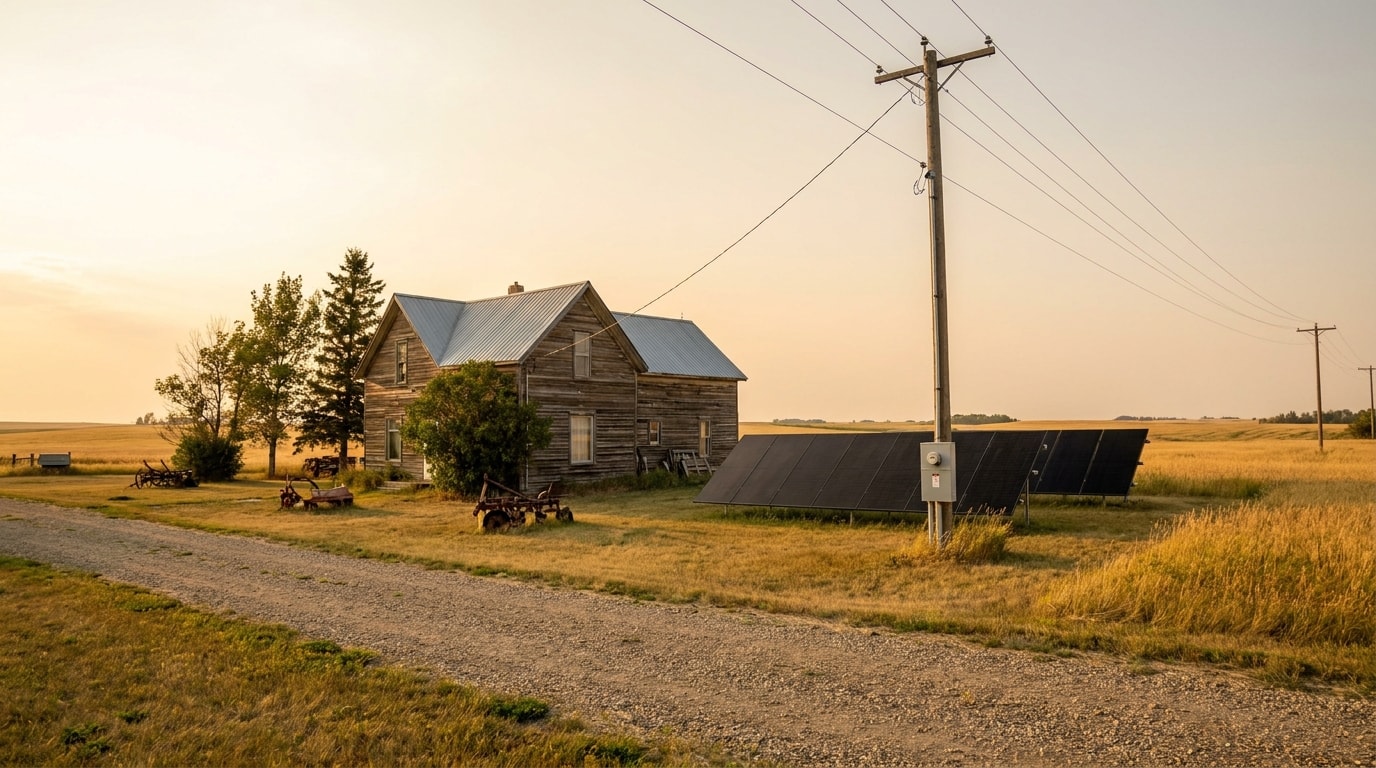
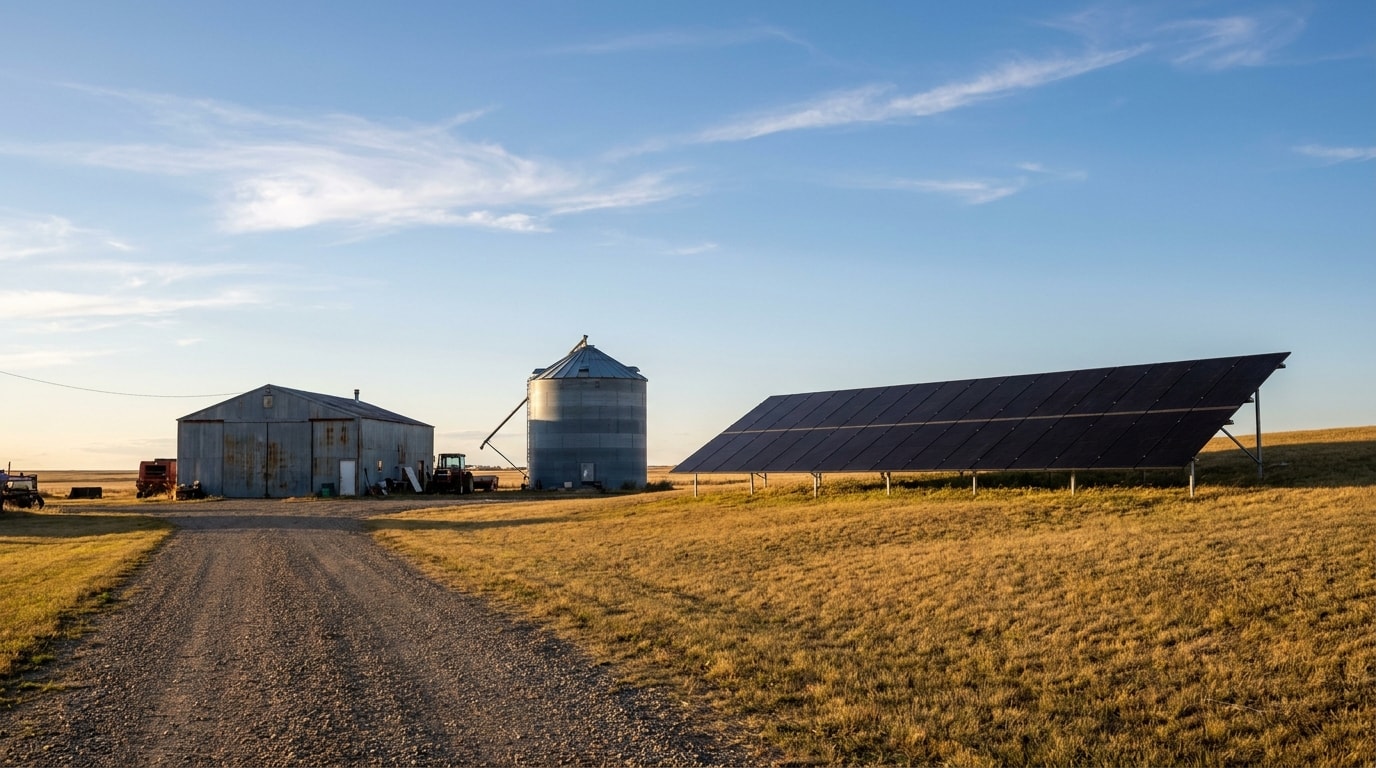
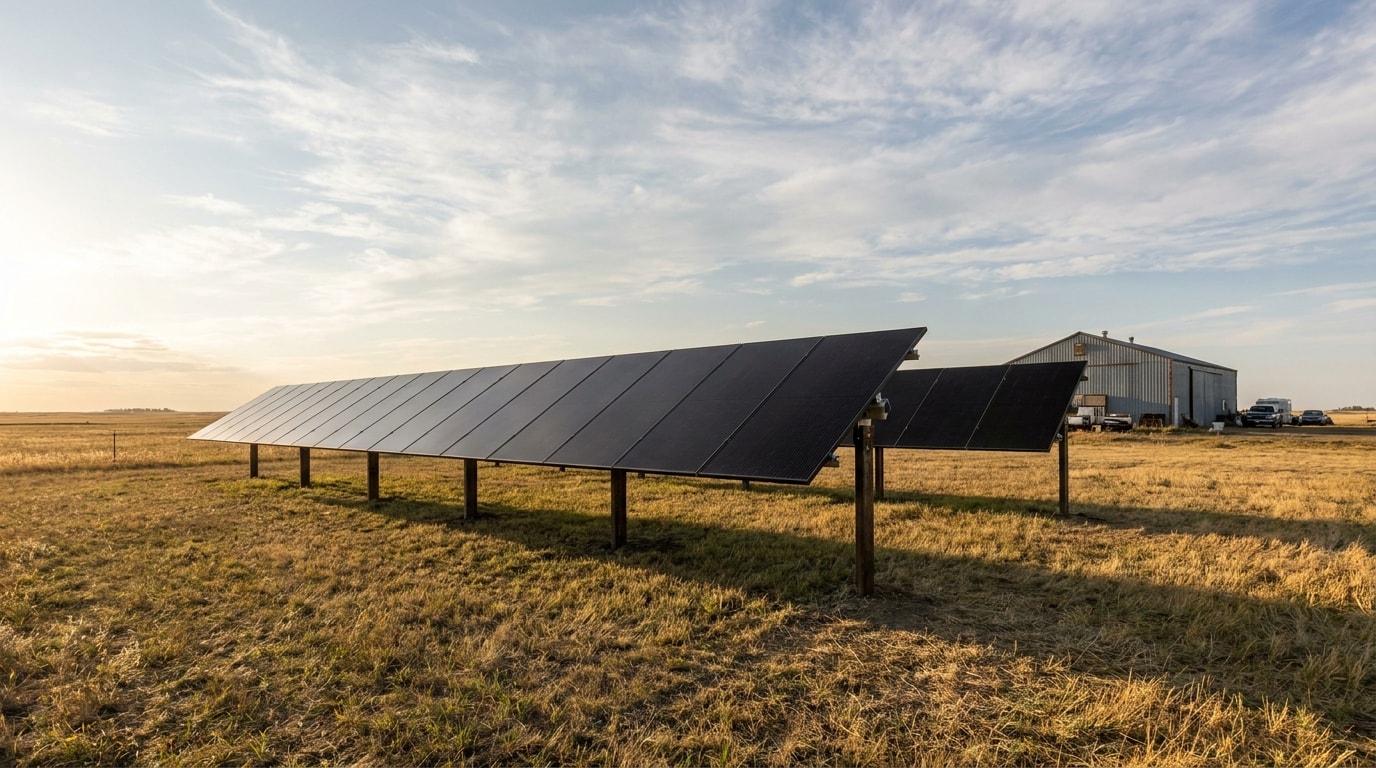
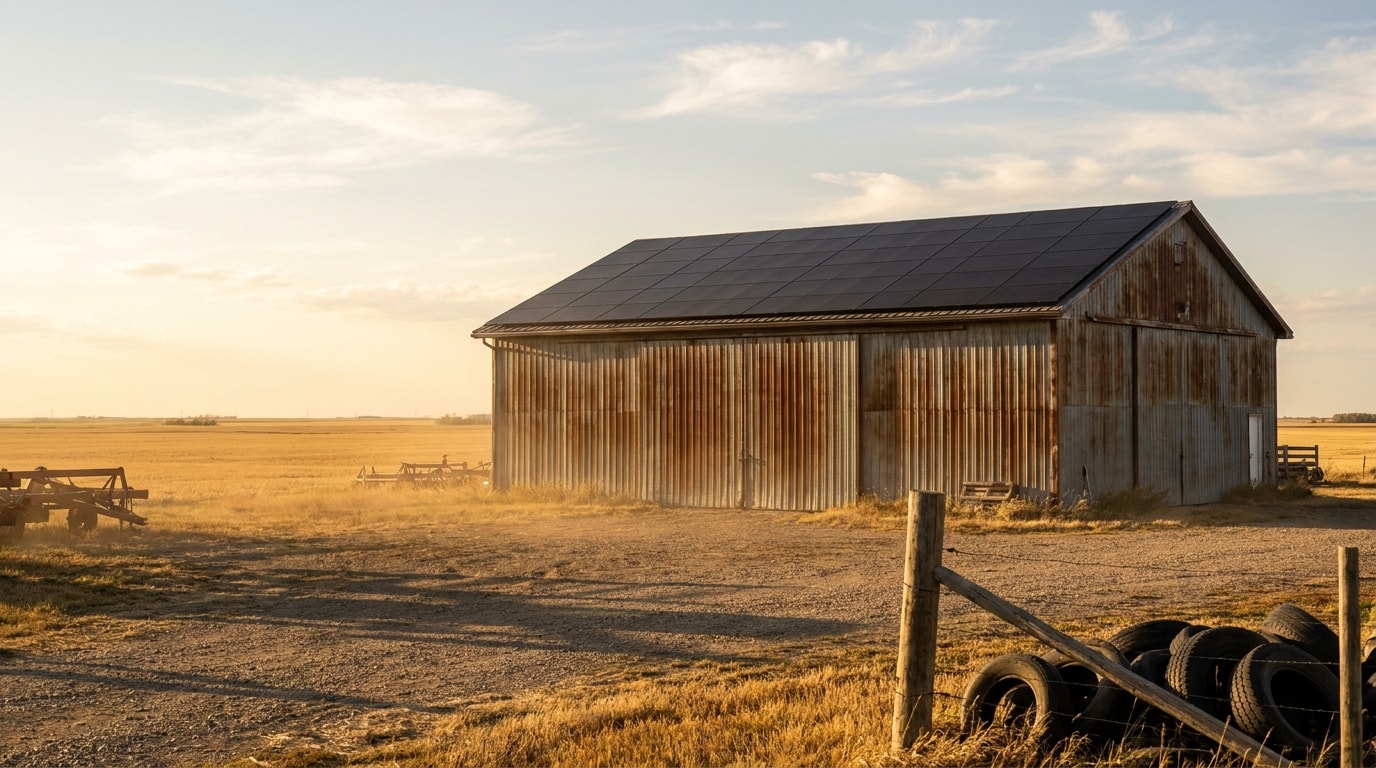
Roof not facing south? Steel roof? Re-shingling next year? Big acreage with room to spare? Ground-mounted solar in Alberta makes the math work where roof mount can't. Here's when it makes sense, what it costs, and what the install looks like.
The 30% federal Investment Tax Credit, Alberta's microgeneration framework, and what commercial and farm operators can stack on top — a plain-language guide to solar financial incentives in Alberta for 2026.
A young Lab cross who is working through her shyness one day at a time, and a DSH tabby who lives for hide-and-seek and being under the covers with you — two animals at Saving Grace right now.
Lethbridge gets more sun hours than almost anywhere else in Canada. That is not a slogan — it is a spreadsheet. FortisAlberta microgeneration, Solar Club credits, and the 30% federal ITC make the numbers work harder here than almost anywhere in the province.
A recovering mama dog gaining strength by the day, a three-legged Collie cross with more drive than most four-legged dogs, and a nine-year-old white cat ready for a quiet retirement — three animals at Saving Grace Animal Society right now.
Ollie is a three-year-old DSH Tabby + White at Saving Grace Animal Society in Alix. The face says tough guy. The cat under the face is all fluff and feelings.
Chestermere sits on flat prairie just east of Calgary, with big residential roofs, big acreage roofs, and FortisAlberta microgeneration on the meter. Here is what solar actually costs out here and what the year-end power bill looks like with it.
Penhold acreage owners in central Alberta are cutting power bills with solar. FortisAlberta microgeneration, Solar Club credits, and proper sizing make the numbers work.
Wheatland County runs from Strathmore to Rockyford and beyond. FortisAlberta microgeneration, 30% federal ITC for farms, and Alberta's Solar Club rates make the numbers work on almost every south-facing roof out here.
A dog who picks one person, a long-haired cat who needs gentle hands, and a barn cat who came in from the cold — three animals waiting for homes at Saving Grace Animal Society in Alix, Alberta.
Cochrane acreages sit in the foothills just west of Calgary, with big roofs, big power bills, and FortisAlberta micro-gen on the meter. Here is what a system really costs and what it really saves.
Parkland County acreages west of Edmonton have the land, the south-facing roofs, and the FortisAlberta micro-gen hookup. Here is what solar really costs in Stony Plain, Spruce Grove, and the rural RRs in between.
How does solar actually work in Alberta? Panels, microinverters, the grid, and Solar Club. A plain English walkthrough of the system that cuts your power bill.
Leduc County acreages and farms are perfect for solar. FortisAlberta micro-gen approval, flat south-facing land, and power bills that never needed to be that high. Here is what it actually costs.
Grid-tied solar uses the Alberta grid as your battery. No expensive battery bank. No maintenance. Just credits that stack up in summer and carry you through winter.
Rocky View County acreage owners have more roof, more land, and higher power bills than anyone in the city. That is exactly why solar works better out here.
If your Alberta farm is incorporated, the federal government will hand you back 30 percent of your solar system cost in year one. Here is how it works.
Okotoks property owners are sitting on some of the best solar potential in Alberta. Here is what it costs, how it works, and why your neighbours are already doing it.