Lethbridge County · Solar repair and maintenance
Solar System Repair and Maintenance in Lethbridge, Alberta
Your system isn't producing what it should. We find out why. Range Road Solar troubleshoots inverters, replaces panels, and audits existing installations in Alberta. All brands serviced.
Solar repair in Lethbridge, Alberta covers more ground than most owners expect when they first call us. A failing system might have one microinverter down out of twenty, dragging the whole array's reported output down. It might have a roof penetration that's let moisture into a junction box. It might just have a monitoring gateway that's lost its connection and hasn't reported in weeks. The cause and the fix aren't always the same job. We service all brands. That includes LONGi panels and APsystems microinverters, as well as SolarEdge, Enphase, SMA, Fronius, and older string inverters from manufacturers that have since discontinued product lines. We carry common replacement components on the truck for jobs where we can diagnose and resolve in a single visit. Our repair and maintenance scope includes inverter diagnostics and replacement, panel swap-out for cracked or underperforming units, recabling and re-termination, racking tightening and corrosion treatment, monitoring system reconnection, and full system audits that produce a written report on system health and estimated production loss from identified faults. For ongoing maintenance, we offer annual inspection packages. Alberta wind loads and hail exposure mean roof attachments and panel surfaces need periodic attention. We'll document what we find, photograph any damage, and provide written records that can support an insurance claim if hail or wind has caused physical damage to the array. If your system hasn't been looked at since installation, a maintenance audit is the right starting point.
Solar Repair Planning for Lethbridge Properties
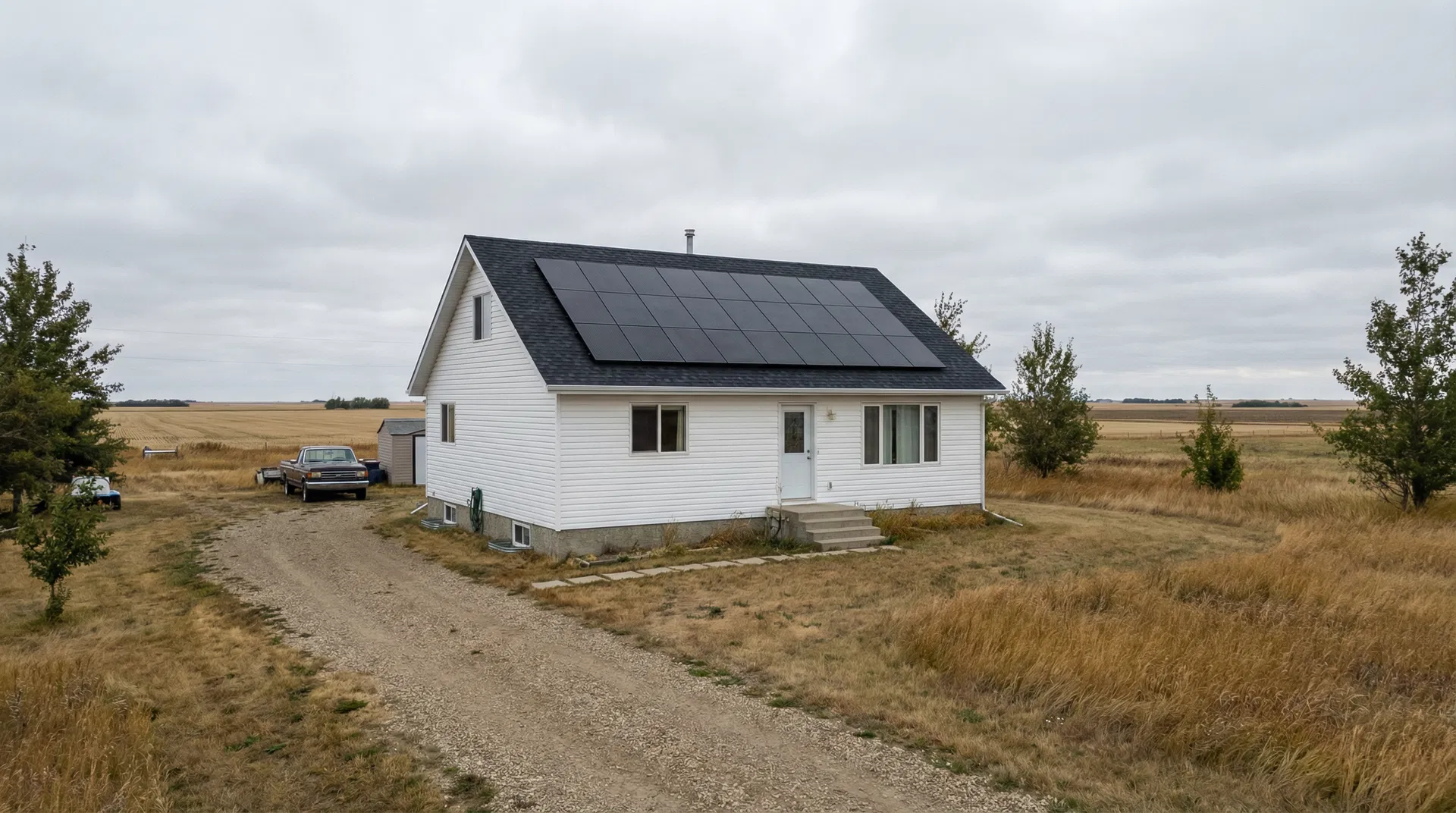
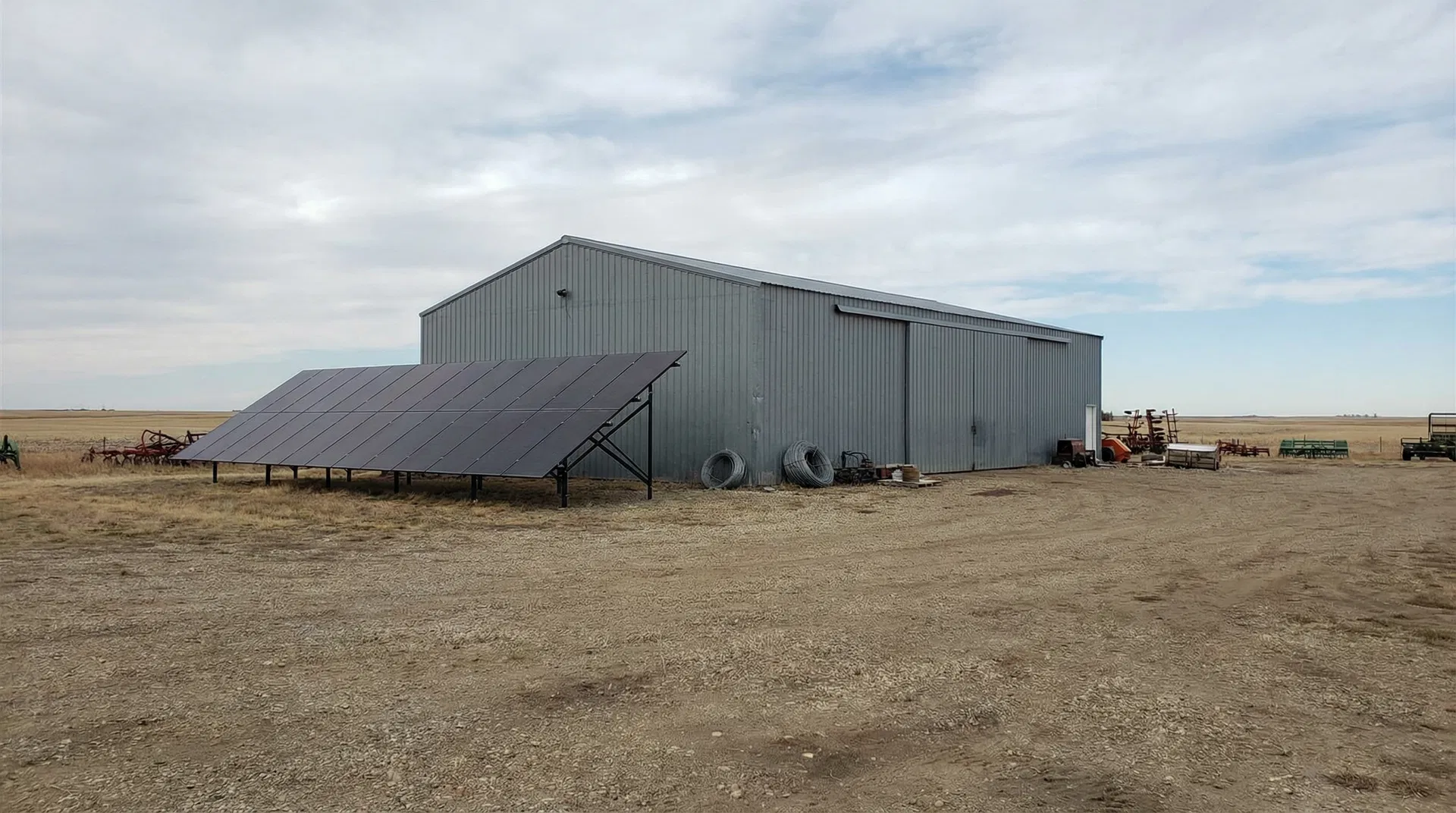
A solar system that was producing well in year one might be underperforming by year five due to a single failed microinverter, a corroded connection, or a monitoring gateway that dropped off and never reconnected. Most owners don't find out until a power bill arrives that doesn't match what they expected. Existing solar installations in the area include residential rooftop systems, acreage ground mounts, and agricultural arrays running at 15-20 kW. Each installation type has its own common failure patterns. Microinverters fail quietly without always triggering an alert. Ground-mounted racking hardware is exposed to more wind movement than rooftop installations. Junction boxes on systems installed more than a decade ago deserve a fresh set of eyes. Range Road Solar services existing systems regardless of who installed them. We don't need to have sold you the original system to help you keep it running. We bring test equipment to site, pull monitoring data where it's available, and work through the system from panels to meter base. If your array hasn't been inspected since install, a maintenance audit is usually the right starting point.
Electrical Site Review for Lethbridge Properties
Voltage Rise
Voltage rise happens when solar generation pushes the local grid voltage above acceptable levels, causing inverters to clip output or shut down to protect grid equipment. In urban distribution networks, grid conditions can vary block to block depending on line length and load density. We check the grid voltage at your meter before finalizing inverter settings or confirming whether a system size change is viable.
Single-Phase vs Three-Phase
Properties may be served by single-phase or three-phase electrical service, and the service type affects both inverter selection and maximum system capacity. Most residential connections are single-phase, which limits string inverter sizing and how output is balanced across phases. Larger acreage properties and some commercial connections have three-phase service, which opens up different inverter options and higher capacity configurations.
Panel Infrastructure
Older electrical panels on existing properties may not have the breaker capacity or available slots to support a solar backfeed without upgrades. We assess the main breaker rating, available breaker positions, and panel age during the site review. If the existing panel can't safely support the solar current, we'll scope an upgrade as part of the project before any solar work begins.
Service Entrance Review
The meter base and service entrance are reviewed on every job because the City of Lethbridge requires that meter base infrastructure meet current standards before a micro-generation application can be approved. We check the meter base condition, service entrance cable rating, and whether the existing infrastructure will pass the utility's inspection. If an upgrade is required, we scope it before the solar work starts so there are no surprises mid-project.
Right-Sizing Solar for Lethbridge Properties
Rural properties around here carry more electrical load than a city lot. You might have the house, a heated shop, and possibly irrigation equipment or grain-handling motors all on the same meter. In some cases, each building has its own separate meter. Before we size anything, we need to understand the full load picture, and that starts with your most recent power bill, not a square-footage estimate. The 12-month usage graph on your most recent Alberta power bill shows us your consumption pattern month by month. High winter consumption usually points to electric heat in the shop or the house. High summer consumption might mean irrigation or air conditioning. A system sized off peak summer demand alone will be over-built for everything else. We size from the full annual pattern. Roof versus ground mount comes down to the specific site. If the roof faces south with minimal shade and enough area, it's often the simpler option. But a lot of acreage properties around here have shop roofs with vents and exhaust fans that eat into usable panel space, or they have mature shelter belts that shade the house roof by mid-morning. In those cases, a ground mount on an open paddock or field edge makes more sense. For properties with multiple meters or buildings, we'll model the loads and recommend whether a single larger array or separate systems per meter makes better economic sense. We don't size to a rule-of-thumb number. We size to your actual usage data.
Typical Load Profiles We Design For Near Lethbridge
Home + Electrically Heated Shop
A house paired with a detached electrically heated shop often draws enough combined load to justify a system in the 10-15 kW range. The shop's heating circuits typically drive the winter consumption spike, which anchors the sizing decision. We read the load profile from the 12-month usage graph on your most recent power bill before confirming the system size.
Acreage with Irrigation or Grain Handling
Properties running irrigation pumps or grain dryer motors carry seasonal loads that push total consumption significantly higher during peak months. A system in the 15-20 kW range is common on this type of acreage, depending on motor ratings and hours of operation. We pull the full annual consumption curve from your most recent power bill to understand the seasonal swing before sizing the array.
Small Commercial or Light Industrial
Small commercial properties and light industrial buildings in the area often run daytime-heavy load profiles with equipment, lighting, and HVAC operating during business hours. A system in the 15-20 kW range can offset a meaningful portion of daytime consumption on a south-facing commercial roof. We assess usable roof area, shade obstructions, and the service entrance during the site review to confirm what the site can support.
City of Lethbridge Interconnection
The City of Lethbridge operates as the local wire service for properties within city limits. When a new solar system is installed or an existing system's configuration is materially changed, a micro-generation application goes to the City, not through a provincial distribution utility. For routine repair and maintenance work that doesn't change the system's rated capacity or equipment type, the City's interconnection approval typically isn't triggered. But if you're replacing an inverter with a different model, upsizing the array, or making changes that affect the metered output, we review what's required under the current application process before the work starts. Range Road Solar prepares the full documentation package when an application is needed: single-line diagrams, equipment specifications, and the site plan. We handle the submission and follow up on the review. You don't have to deal with the utility paperwork. If your system was originally approved under an older permit and the configuration has since changed, we'll flag that during the audit and tell you what's needed to bring the documentation current.
Project Economics and Design Review
| System Size | Annual Production | Year 1 Savings | Payback Period |
|---|---|---|---|
| 8-20 kW range, 10 kW typical |
Production estimates, savings projections, and payback timelines require a property-specific design and your most recent power bill.
How We Work in Lethbridge
Bill and Load Review
We review your power bill to understand your energy use in Lethbridge and size the system to your actual consumption — not a generic estimate.
Site Assessment
We assess your roof or ground area, south-facing exposure, electrical service, and utility interconnection requirements specific to your property.
Design and Utility Application
We produce a system layout, production estimate, and cost summary, then submit your micro-generation application to your utility on your behalf.
Installation and Commissioning
Our crew installs racking, panels, inverter, and electrical connections. All work is performed by licensed electricians. We commission and test before handoff.
Current Program and Interconnection Review
Utility connection review
The City reviews micro-generation applications for properties in the local service area, and Range Road Solar handles the full documentation package for the submission. We prepare single-line diagrams, equipment specifications, and the site plan so you don't have to deal with the utility paperwork. We don't claim approval timelines or credit settlement terms we can't control.
Current program review
Commercial, farm, and residential solar installations may qualify under various federal or provincial programs, and eligibility rules change from year to year. We review applicable programs against the current rules at the time of design, not based on programs that may have since ended or changed their terms. We won't promise a rebate we can't confirm at design time.
Frequently Asked Questions
Get a Solar Assessment for Lethbridge
Submit a recent power bill and we will review your consumption and provide an honest assessment for your Lethbridge property. No obligation.
(587) 330-7502 Book a CallRelated Resources
More Solar Services in Lethbridge