Lethbridge County · Commercial solar
Commercial Solar in Lethbridge, Alberta
Range Road Solar designs and installs commercial solar systems from 15 to 100 kW for Lethbridge businesses, sized from your actual load data and site conditions.
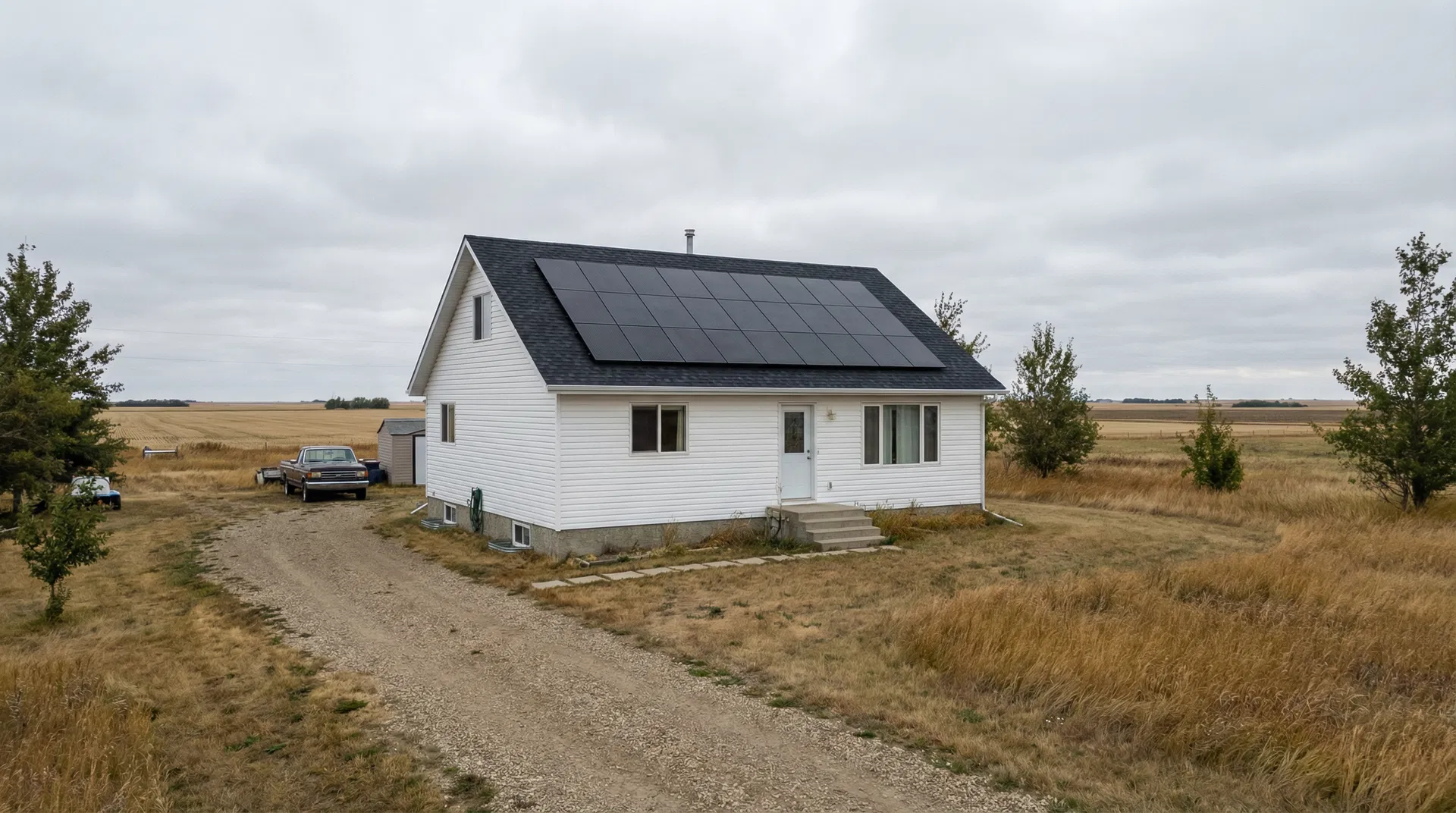
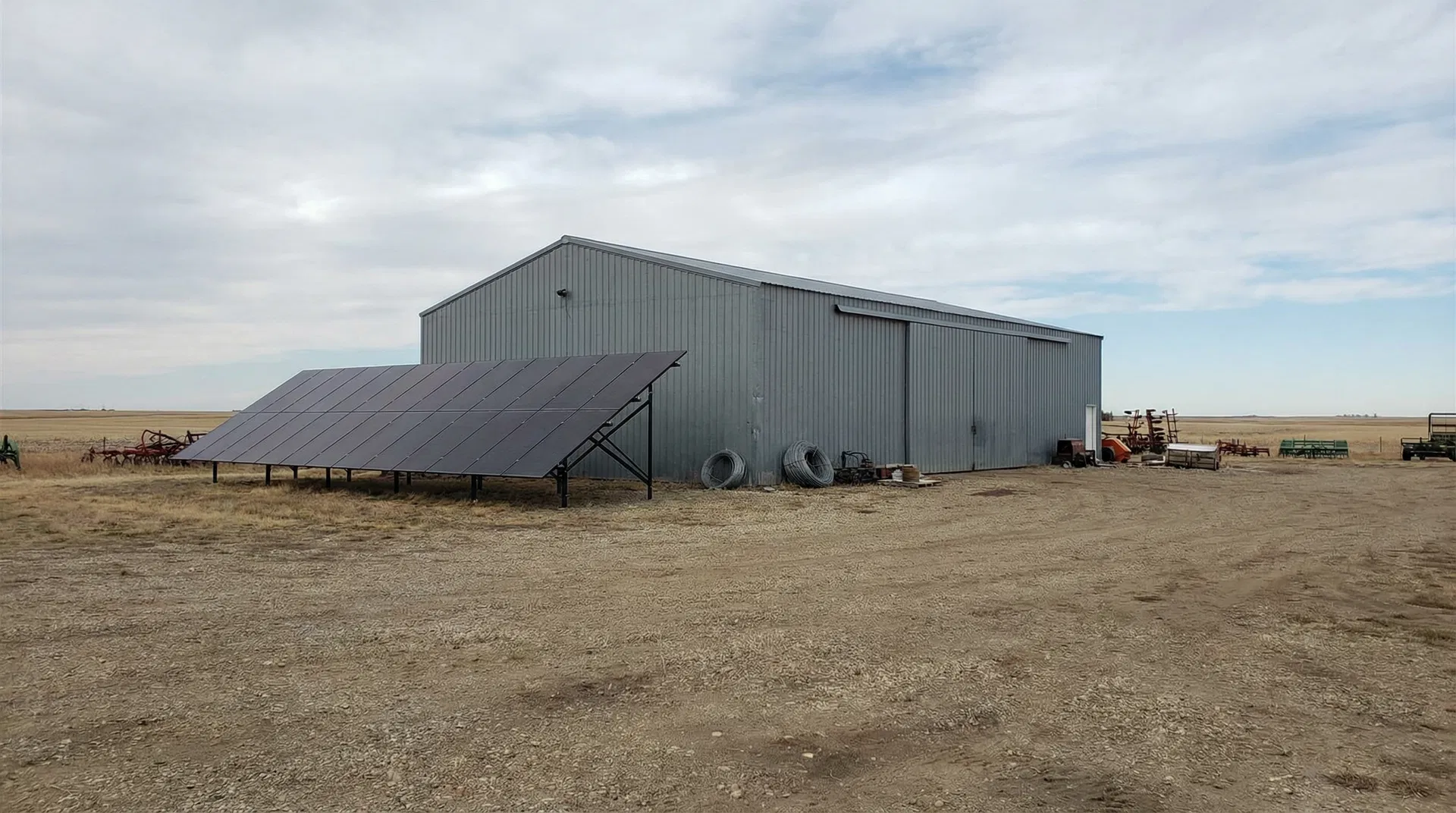
Solar commercial solar Lethbridge Alberta projects range from modest retail rooftop builds to large industrial ground-mount arrays. Range Road Solar works in the 15 to 100 kW range, with 30 kW being a common starting point for facilities with consistent daytime electrical demand. We use LONGi panels on every commercial install. They're a proven panel with strong performance data and consistent quality control, which matters when you're putting 60 to 300-plus panels on a single property. For commercial systems, inverter selection depends on system size and site layout. APsystems microinverters work well for rooftop builds where shading from HVAC equipment, parapets, or adjacent structures can affect output on individual strings. For larger flat-roof or ground-mount layouts with clean exposure, string inverters are often the more practical and cost-effective choice. We specify based on the actual site, not a default preference. Lethbridge commercial rooftops vary widely. Flat membrane roofs on warehouse and retail buildings are common, and ballasted racking systems are typically used to avoid penetrating the membrane. Older pitched metal roofs on agricultural processing or storage buildings may need a structural review before racking is specified. Ground-mount systems are viable for properties with available yard space, particularly where the roof layout makes panel placement inefficient. Every design starts with your most recent power bill and a site assessment. We don't quote a system size until we've looked at both. A 30 kW system on one property might cover 60% of usage, while the same array on a different facility with higher consumption offsets far less. The bill tells us which scenario you're actually in.
Solar Planning for Lethbridge Properties
Commercial properties in Lethbridge carry real electrical loads. Warehouses, retail buildings, agricultural processors, and light industrial facilities all run equipment during daylight hours, which is exactly when a grid-tied solar system is producing. That alignment between daytime production and daytime consumption is the core of what makes commercial solar work for businesses here. The City of Lethbridge is the wire service for properties inside the boundary, and interconnection applications go through that utility. We handle the design package and the application. What you need to bring is your most recent power bill. Alberta utility bills include a 12-month usage graph, and that graph tells us more about your facility's consumption patterns than a site visit alone ever could. Commercial systems in this range also carry specific incentive eligibility that residential installs don't. The Capital Cost Allowance and federal Investment Tax Credit apply to eligible commercial and agricultural systems, and we review those rules at design time against whatever is current. We don't quote incentives speculatively. Every design review is grounded in what the numbers on your bill actually show, not what we think sounds good.
Electrical Site Review for Lethbridge Properties
Voltage Rise
Voltage rise occurs when a solar system pushes power back toward the grid and the local distribution line's voltage rises above the inverter's acceptable operating threshold. When that happens, the inverter clips or shuts down to protect the grid, which reduces the system's effective output. We assess voltage rise conditions during design to make sure system sizing and inverter settings are matched to what the distribution point at your property can actually support.
Single-Phase vs Three-Phase
Commercial and industrial properties in Alberta may be served by single-phase or three-phase electrical service, and the distinction matters for how a solar system is configured. Three-phase service supports larger inverter capacities and more balanced loading across phases, which is relevant for systems in the upper end of the commercial range. We confirm your service type during the site review and spec inverters accordingly.
Panel Infrastructure
Older commercial panels may not have the breaker capacity to safely accommodate a solar backfeed connection without modifications. We assess the main breaker rating, available breaker slots, and overall panel condition during the site review. If the panel can't support the system as designed, we'll identify what an upgrade involves before the project moves forward.
Service Entrance Review
The service entrance and meter base are reviewed as part of every commercial design in Lethbridge. The City of Lethbridge has specific requirements for the meter base configuration on micro-generation applications, and a meter base that doesn't meet those requirements will need to be upgraded before the interconnection can be approved. We flag this early so there are no surprises at the permitting stage.
Right-Sizing Solar for Lethbridge Properties
Commercial facilities aren't one-size-fits-all when it comes to solar. A 15 kW system suits a small office or light-use retail space. A 60 to 100 kW system is more appropriate for a warehouse, food processing facility, or agricultural storage and handling operation running heavy three-phase equipment through the day. The right size comes from what your actual consumption looks like, not from a rule-of-thumb number we pull from industry averages. That's why we start with your most recent power bill. Alberta utility bills include a 12-month usage graph that shows monthly consumption across a full year, including your peak months. That graph tells us whether you're a flat-consumption facility or a business with strong seasonal swings, which changes how we size the system and how much of your load a given array will realistically offset. Roof vs. ground-mount is a decision that depends on the site. A flat commercial roof with clean south exposure and minimal HVAC shading is often the right call because it doesn't consume yard space. But if the roof is heavily obstructed, steeply pitched in the wrong direction, or has structural limitations, a ground-mount on available yard space can outperform. Some facilities use both. We won't recommend a system size before we've seen the bill and assessed the site. A design built on assumptions isn't a design.
Typical Load Profiles We Design For Near Lethbridge
Warehouse or Cold Storage Operation
Facilities running refrigeration compressors, lighting across large square footage, and loading dock equipment carry consistent daytime loads that align well with solar production. A building of this type typically warrants a system in the 40 to 100 kW range, sized from the 12-month usage graph on the most recent power bill. We confirm system size after reviewing actual consumption data, not floor area estimates.
Retail or Service Commercial Building
Retail properties with HVAC, lighting, and point-of-sale loads during business hours are well suited to rooftop solar. Systems in the 15 to 30 kW range are common for this facility type, depending on roof area and consumption profile. Flat rooftops with ballasted racking avoid membrane penetrations and keep installation straightforward on most commercial retail buildings.
Agricultural Processing or Grain Handling Facility
Processing and handling facilities with augers, conveyors, dryers, and three-phase motor loads can carry consumption that justifies systems at the upper end of the commercial range. Because these loads are often seasonal and demand-driven, the 12-month usage graph on the power bill is especially important for sizing. We design around the actual load shape, not a generic agricultural estimate.
City of Lethbridge Interconnection
The City of Lethbridge is the wire service for properties inside its boundaries, operating as a municipally owned utility. That means commercial solar interconnection applications here go to the City of Lethbridge rather than to ATCO or FortisAlberta, which is a different process than properties in surrounding areas face. Range Road Solar prepares and submits the interconnection application on your behalf. The package includes the system design, single-line diagram, equipment specifications, and any supporting documentation the utility requires. We don't hand you a stack of forms and wish you luck. What we do ask is that you have your most recent power bill available before we start. The City of Lethbridge reviews applications against the specifics of the system being installed, so the design we submit needs to accurately reflect your site. We won't submit an application built on a rough estimate. The design gets done first, and then the paperwork follows it.
Project Economics and Design Review
| System Size | Annual Production | Year 1 Savings | Payback Period |
|---|---|---|---|
| 15-100 kW range, 30 kW typical |
Production, savings, and payback estimates require a property-specific design and the 12-month usage graph from your most recent power bill.
How We Work in Lethbridge
Bill and Load Review
We review your power bill to understand your energy use in Lethbridge and size the system to your actual consumption — not a generic estimate.
Site Assessment
We assess your roof or ground area, south-facing exposure, electrical service, and utility interconnection requirements specific to your property.
Design and Utility Application
We produce a system layout, production estimate, and cost summary, then submit your micro-generation application to your utility on your behalf.
Installation and Commissioning
Our crew installs racking, panels, inverter, and electrical connections. All work is performed by licensed electricians. We commission and test before handoff.
Current Program and Interconnection Review
Utility connection review
The City of Lethbridge reviews micro-generation interconnection applications for commercial properties inside its service area. Range Road Solar prepares the full design package and submits the application on your behalf. We don't ask you to navigate the utility process on your own.
Current program review
Commercial solar installations may be eligible for federal tax treatment or other programs depending on your business structure and the rules in effect at installation time. We review current eligibility against your specific project at design time. We don't quote incentives based on programs that may have changed or expired.
Frequently Asked Questions
Get a Solar Assessment for Lethbridge
Submit a recent power bill and we will review your consumption and provide an honest assessment for your Lethbridge property. No obligation.
(587) 330-7502 Book a CallMore Solar Services in Lethbridge