Lethbridge County · Ground mount solar
Ground Mount Solar in Lethbridge, Alberta
Purpose-built ground mount systems for farms and acreages near Lethbridge. We design from your actual power bill and site conditions, not guesswork.
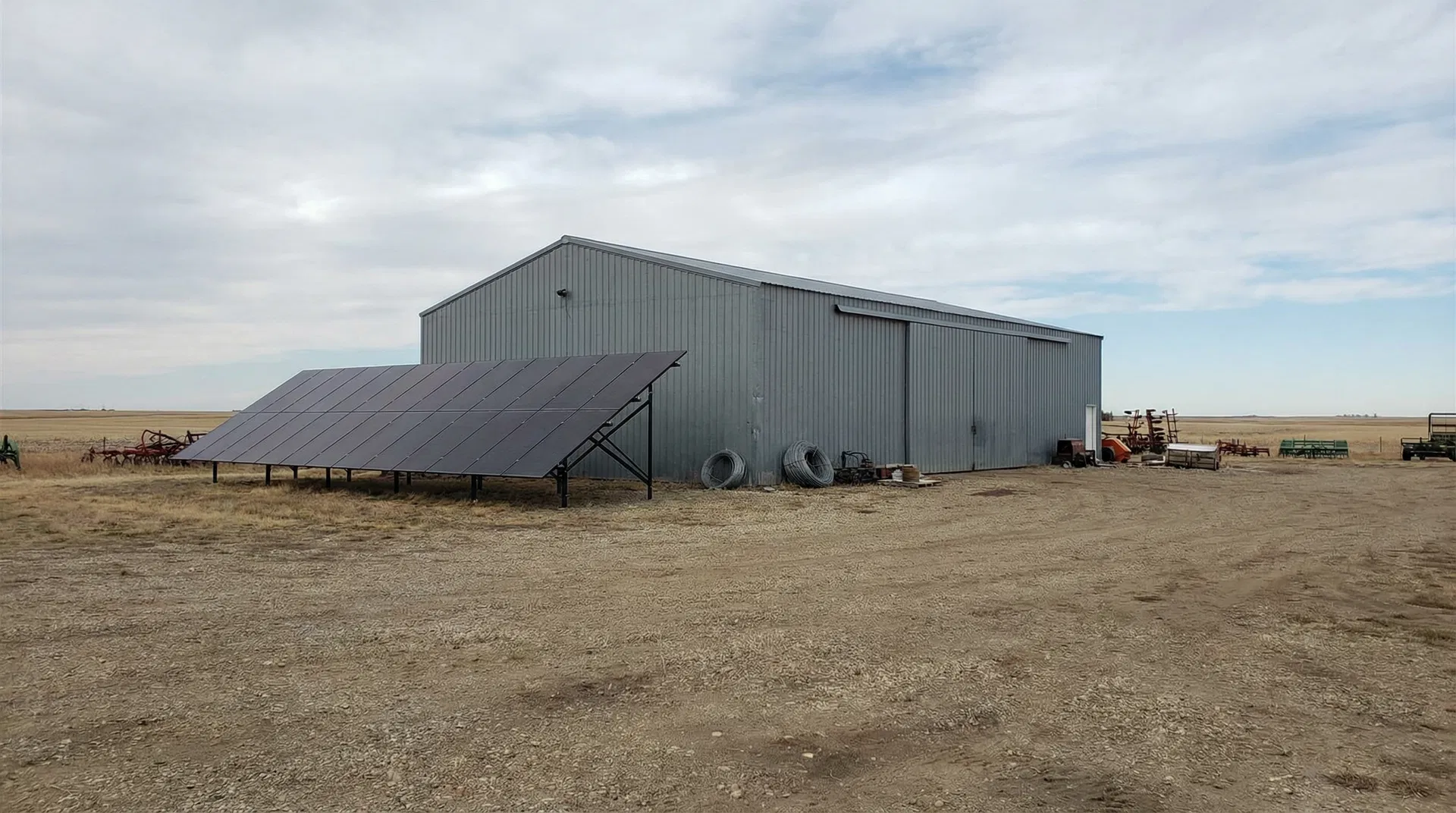
Ground mount solar in Lethbridge, Alberta starts with engineered racking designed for the site conditions on your specific property. We don't use catalogue systems dropped onto a generic footing plan. Every array is spec'd for the soil type, load requirements, and available ground, then stamped by an Alberta-registered engineer. Panels are LONGi, which carry strong output ratings and a track record in Canadian field conditions. Inverters are APsystems microinverters, one per panel. That means shading from a nearby grain bin, a power pole, or a tree line doesn't kill output across the whole array. Each panel operates independently, so partial shading stays partial. Systems in the 10-30 kW range are typical for this service. A property running a home plus a heated shop often lands between 15 and 25 kW depending on usage. Smaller acreage properties with home-only loads can work well in the 10-15 kW window. We confirm the right size from your power bill and a site walkthrough, not from a rule-of-thumb calculator. Installation includes full electrical work, conduit, disconnect, and coordination with the City of Lethbridge interconnection process. You get a single point of contact from design through commissioning.
Solar Planning for Lethbridge Properties
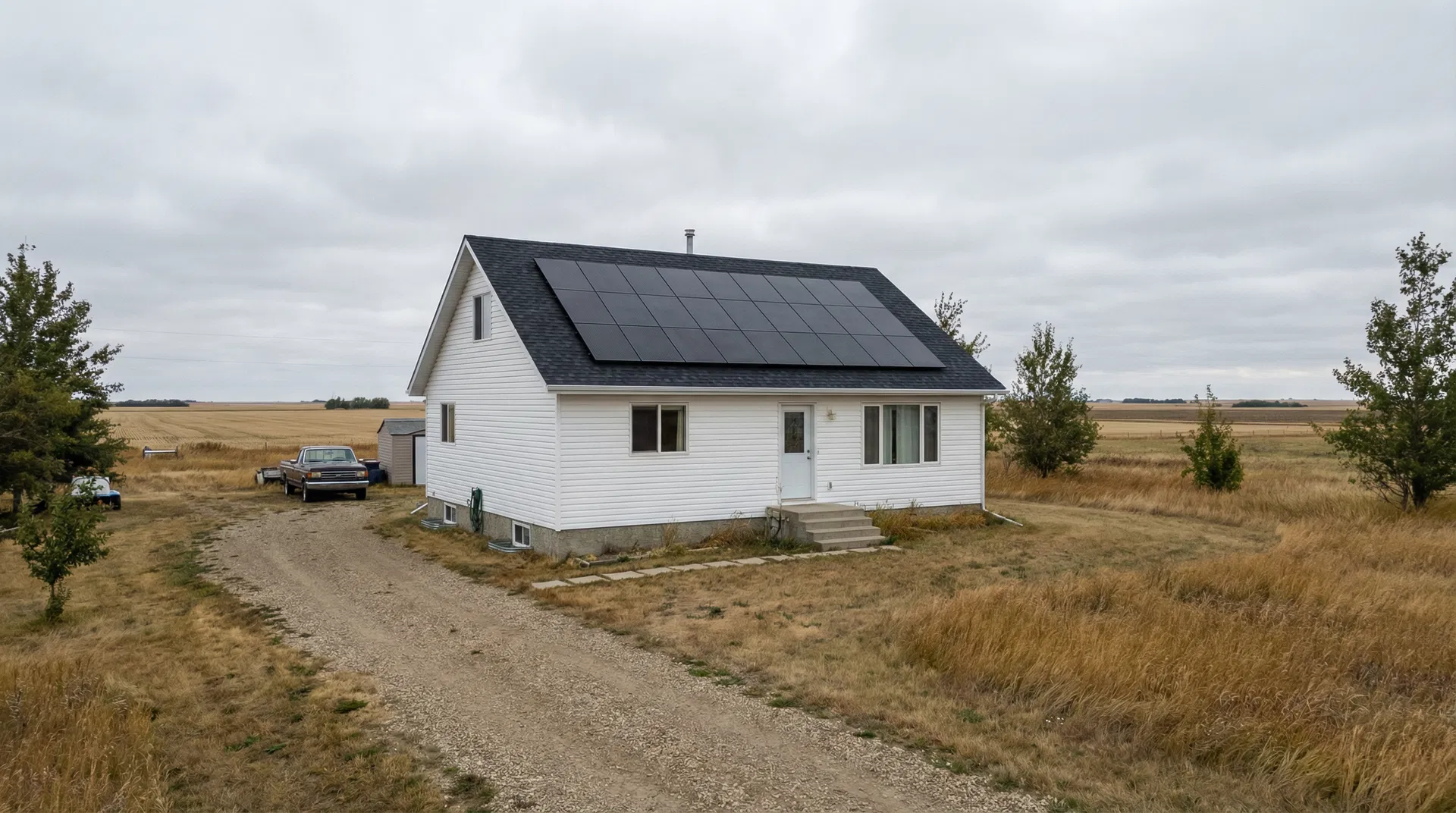
Properties in and around Lethbridge often carry load profiles that rooftop systems can't keep up with. A heated shop, an irrigation pump, grain handling equipment, or a secondary residence all add up fast. When a single roof can't accommodate the panel count the load demands, a ground mount gives you the layout flexibility to match the system to the actual usage. Ground mounts also let you pick orientation and tilt independently of whatever direction your buildings happen to face. That matters when a shop roof faces east or a farmhouse has mature trees on the south side. You choose the best corner of the yard, not the best corner of a compromised roof. We size every system from the 12-month usage graph on your most recent power bill. That graph tells us your peak months, your baseline, and whether a 10 kW system leaves you short or a 25 kW system is actually justified. We won't quote you a system size before we've seen your usage. It's the only honest way to do it.
Electrical Site Review for Lethbridge Properties
Voltage Rise
Voltage rise happens when a solar system pushes current back toward the grid and the local distribution line can't absorb it without the voltage climbing above acceptable limits. On longer distribution runs or at the end of a feeder, this condition can be more pronounced. If voltage rise calculations show the local conditions are tight, it affects how the inverters are configured and may influence the maximum system size the utility will approve.
Single-Phase vs Three-Phase
Rural and semi-rural properties near Lethbridge may be served by either single-phase or three-phase electrical service depending on when the property was connected and what loads it was originally designed for. This matters for solar because it affects which inverter configurations are compatible and how much capacity a system can practically deliver. We confirm your service type during the site review before any equipment is specified.
Panel Infrastructure
Older electrical panels on acreage and farm properties sometimes don't have the breaker capacity to support a solar interconnection without an upgrade. We assess the panel age, breaker rating, and available space during the site review. If the panel can't support the system safely, we'll include a panel upgrade in the project scope rather than discover the issue mid-installation.
Service Entrance Review
The meter base and service entrance are reviewed as part of every ground mount project because the City of Lethbridge's interconnection application requires the metering setup to meet current standards. A meter base in poor condition or one that doesn't support bi-directional metering will need to be replaced before the application can proceed. We identify this early so it doesn't hold up the interconnection process.
Right-Sizing Solar for Lethbridge Properties
Rural properties near Lethbridge don't size like city houses. A typical acreage or farm might run a home, a heated shop, a secondary suite, irrigation pumps, and grain handling equipment all on the same meter. Or on separate meters that we look at together. Each of those loads adds to the total usage the system needs to offset, and undersizing because you only counted the house is a common mistake we see in systems installed elsewhere. Whether a ground mount or a rooftop system makes more sense depends on the specific property. A newer home with a large, south-facing roof and no shading issues might do fine with rooftop panels. But if the shop roof faces the wrong direction, the farmhouse roof is small, there are trees or bins casting shade, or the loads are simply too large for the available roof area, a ground mount is the practical choice. It lets you put the array exactly where the site works best. We don't size systems from rule-of-thumb multipliers or average consumption numbers pulled from industry tables. We size from the 12-month usage graph on your most recent power bill. That graph shows us seasonal variation, peak demand months, and whether a 10 kW system leaves most of your bill untouched or a 25 kW system is actually justified for your load. Getting the size right means the system earns its keep year-round, not just in the best months.
Typical Load Profiles We Design For Near Lethbridge
Home + Heated Shop
A residence paired with a heated shop is one of the most common load profiles we see on acreage properties. The shop adds significant electrical draw, especially through the winter months when heating runs continuously. We pull the combined usage from the 12-month graph on your power bill and size the ground mount to offset the full property load, not just the house portion.
Grain Farm with Handling Equipment
Grain farms running augers, driers, and aeration fans carry large seasonal spikes that don't show up evenly across the year. A 20-25 kW ground mount is often the starting point for these properties, though the right size depends on the actual usage history on your bill. We design the system to handle the combined base load and contribute meaningfully during peak handling months.
Acreage with Secondary Suite or Shop Apartment
Properties with a secondary suite or a shop apartment above add a second dwelling's usage to the main meter. That combination can push monthly consumption well above a standard single-family home. A ground mount in the 15-20 kW range is common for these setups, but we confirm the size from your power bill before any equipment is specified.
City of Lethbridge Interconnection
Lethbridge is served by the City of Lethbridge as the wire service. That means the interconnection application for your ground mount system goes to the City, not to a rural co-op or provincial wire service. Range Road Solar handles the full application package: single-line diagram, equipment specs, site plan, and all supporting documentation the City requires to review the micro-generation connection. You don't need to manage the paperwork side of the process. We put together what's needed and submit it on your behalf. The City of Lethbridge reviews applications against its interconnection standards. We don't make claims about approval timelines, credit settlement rules, or billing treatment, because those details are confirmed through the City's current policies at the time of your application. What we can tell you is that we've handled utility interconnection packages across Alberta and we know what a complete, accurate submission looks like. A clean application avoids back-and-forth with the utility and keeps the process moving.
Project Economics and Design Review
| System Size | Annual Production | Year 1 Savings | Payback Period |
|---|---|---|---|
| 10-30 kW range, 15 kW typical |
Production, savings, and payback figures require a property-specific design and your most recent power bill before any estimate is prepared.
How We Work in Lethbridge
Bill and Load Review
We review your power bill to understand your energy use in Lethbridge and size the system to your actual consumption — not a generic estimate.
Site Assessment
We assess your roof or ground area, south-facing exposure, electrical service, and utility interconnection requirements specific to your property.
Design and Utility Application
We produce a system layout, production estimate, and cost summary, then submit your micro-generation application to your utility on your behalf.
Installation and Commissioning
Our crew installs racking, panels, inverter, and electrical connections. All work is performed by licensed electricians. We commission and test before handoff.
Current Program and Interconnection Review
Utility connection review
The City of Lethbridge reviews grid connection applications for properties within its service area. Range Road Solar prepares the full design package required for submission, including single-line diagrams, equipment documentation, and site plans. We handle the application so you don't have to navigate the utility's submission requirements on your own.
Current program review
Commercial, agricultural, and residential properties may be eligible for incentive programs depending on current rules at the time of installation. We review applicable programs during the design process and confirm eligibility before you commit to anything. Program availability and rules change, so we check current status at design time rather than publishing claims that may already be out of date.
Frequently Asked Questions
Get a Solar Assessment for Lethbridge
Submit a recent power bill and we will review your consumption and provide an honest assessment for your Lethbridge property. No obligation.
(587) 330-7502 Book a CallRelated Resources
More Solar Services in Lethbridge