Lethbridge County · Solar cost and pricing
Solar Cost in Lethbridge, Alberta: Real Installed Pricing
Installed pricing, system sizing, and honest payback math for Lethbridge properties. No inflated projections. No guesswork.
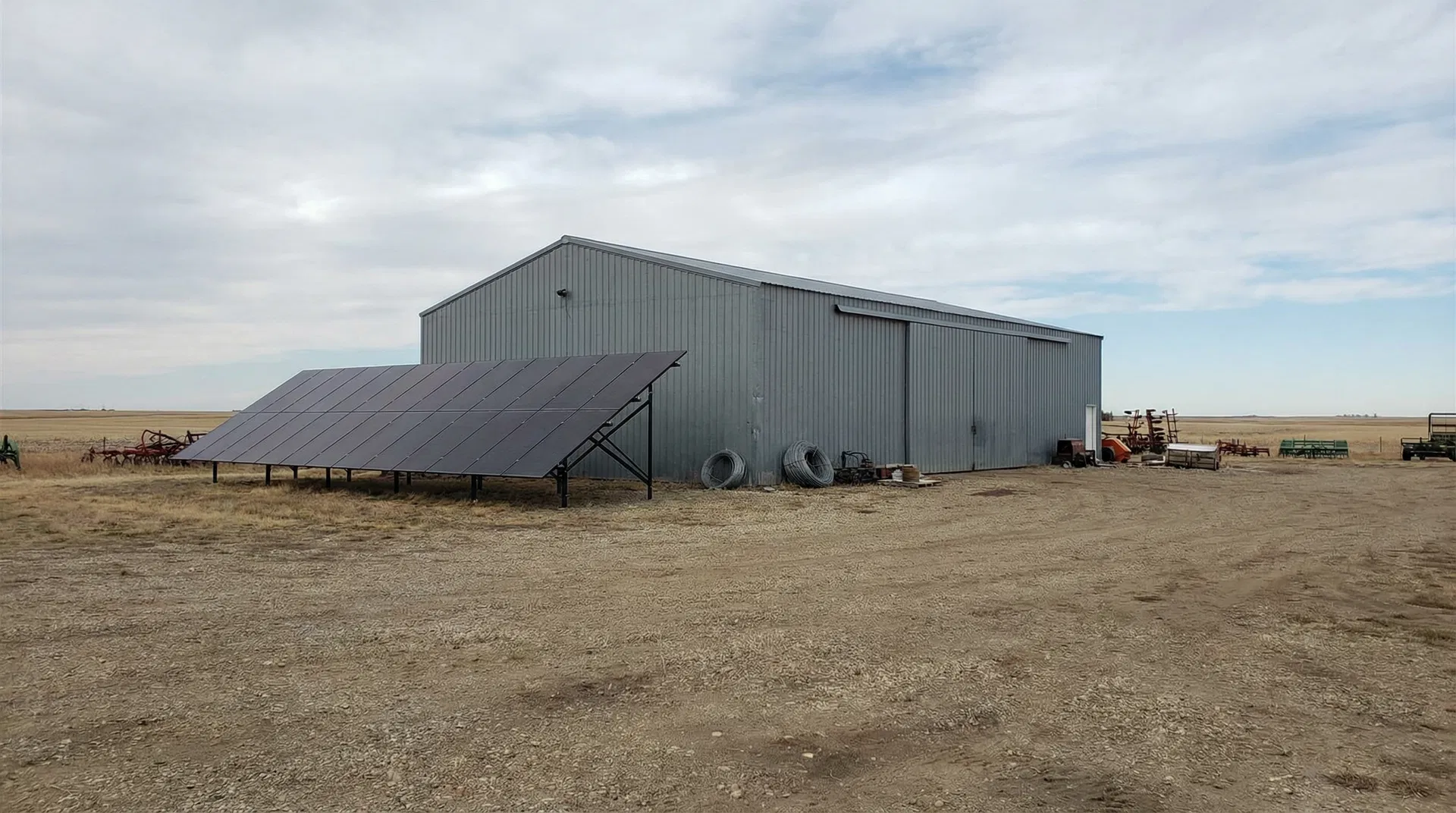
When someone searches solar cost Lethbridge Alberta, they're usually looking for a real number, not a range that spans tens of thousands of dollars. The honest answer is that installed cost depends on system size, roof or ground-mount conditions, electrical infrastructure, and current equipment pricing. That said, residential systems in the 8 to 15 kW range cover most of what we see here. A 10 kW system is a common starting point for a home with moderate consumption and a south-facing roof. Larger loads, like a heated shop or a second building on the property, push sizing up. We use LONGi panels because they carry a strong long-term output warranty and hold their efficiency well across a wide production range. APsystems microinverters go on each panel individually. That means one panel in partial shade doesn't pull down the rest of the array. It also means per-panel production monitoring, so you know exactly how the system is performing at any given time. Ground-mount systems cost more to install than roof-mount because of racking, trenching, and concrete work, but they're often the right call when roof orientation is poor or shading is an issue. We walk through both options during the design review and show you the cost difference alongside the production difference, so the comparison is apples to apples. Installed pricing is confirmed after a site design, not before.
Solar Planning for Lethbridge Properties
Lethbridge sits in one of Alberta's most actively deregulated electricity markets. Retail rates shift, riders change, and the gap between what you pay now and what you might pay in five years is a real planning variable. That's exactly why more property owners here are asking about solar cost before their next rate renewal. The question isn't just whether solar works on your roof. It's whether the numbers work for your specific property, your load, and your current bill. We build every design from the 12-month usage graph on your most recent power bill. That graph tells us more about your actual consumption patterns than any rule-of-thumb formula could. From there, we size the system to offset what you're actually using, not what an algorithm thinks you should be using. Lethbridge properties range from newer infill homes to older bungalows with high heating loads, acreages outside the urban boundary, and commercial builds with daytime-heavy demand. Each one prices out differently. We don't quote a flat per-watt number and walk away. We design a system, show you the economics, and let you decide.
Electrical Site Review for Lethbridge Properties
Voltage Rise
Voltage rise happens when a solar system pushes current back toward the grid and the local distribution line isn't sized to absorb it cleanly. When voltage at the meter rises above acceptable limits, inverters clip output or shut down to protect the grid. We assess voltage rise conditions during site design to make sure the system is sized appropriately for the distribution conditions at your property.
Single-Phase vs Three-Phase
Properties in and around Lethbridge can be served by either single-phase or three-phase electrical service, and the distinction matters for how a solar system is configured. Three-phase service supports larger system capacities and different inverter arrangements than single-phase. We confirm your service type during the site review and select APsystems microinverter configurations that match your panel's capacity.
Panel Infrastructure
Older electrical panels on established properties sometimes don't have the breaker capacity to support a solar system without upgrades. We assess the panel's age, breaker load, and busbar rating as part of the site review. If the panel can't support the system safely, we include the upgrade in the project scope and quote it upfront, so there are no surprises at installation.
Service Entrance Review
The service entrance and meter base condition matters specifically for the micro-generation application to the City of Lethbridge. We check the meter base for condition, compatibility, and any requirement for a production meter. If the meter base needs an upgrade to meet City of Lethbridge application requirements, we flag it during the design review and coordinate the work before the application is submitted.
Right-Sizing Solar for Lethbridge Properties
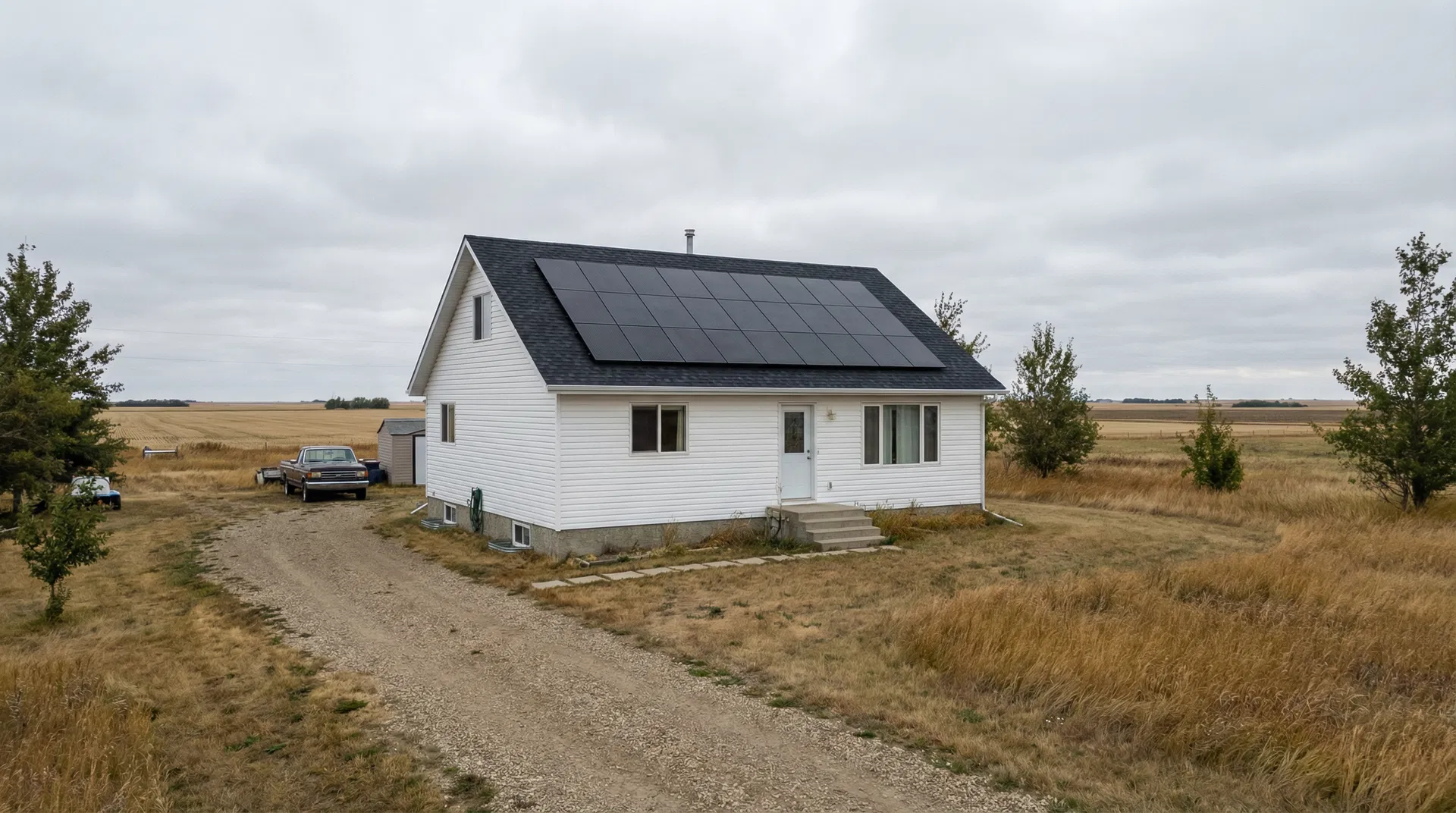
Rural and semi-rural properties near Lethbridge often carry more electrical load than a standard urban home. It's not just the house. It's the house plus a heated shop, a second building, maybe an irrigation pump or grain handling system running seasonally. Each of those loads shows up in your consumption history, and each one factors into system sizing. We size systems from the 12-month usage graph on your most recent power bill. That graph shows your consumption by month, which tells us your peak demand season, your base load, and whether there are spikes worth designing around. We don't pull a number from a formula and call it done. Roof-mount is the right call for most residential builds where the roof pitch, orientation, and shading are workable. It costs less than ground-mount and uses structure that's already there. But when a roof has heavy shading from mature trees or neighbouring buildings, a poor pitch, or an east-west orientation that limits production, ground-mount on available land is the better option. It lets us point the array exactly where it needs to go. Ground-mount adds cost for racking, concrete footings, and trenching, but we show you both options and both costs during the design review so you can make an informed call. The 8 to 15 kW range covers most of what we install here, with 10 kW being a common fit for a residential property with average consumption. Larger multi-building properties frequently size above that. We don't guess. We design.
Typical Load Profiles We Design For Near Lethbridge
Home Plus Heated Shop
A residential property with a heated detached shop typically carries significantly more load than the house alone, particularly in winter when both the home and the shop's heating system are running. We pull the combined consumption from the 12-month usage graph on your most recent power bill and size the array to offset the full load, not just the home portion. This profile frequently lands in the 12 to 15 kW range depending on shop size and heat source.
Urban Home with High Heating Load
Homes in Lethbridge with electric baseboard heat or heat pump systems can carry consumption peaks that push well above what a standard 8 kW system offsets. We look at the winter months on your usage graph to understand the real heating load before sizing. A 10 to 12 kW system is often the right fit here, particularly on properties with good south-facing roof area and minimal shading.
Small Commercial or Mixed-Use Property
Small commercial properties and mixed-use buildings in the area often have daytime-heavy load profiles that align well with solar production. Lighting, HVAC, and equipment running during business hours can be well-matched to peak array output. We size these systems from the 12-month usage graph on your most recent power bill and confirm equipment selection against City of Lethbridge interconnection requirements for the service type on the property.
City of Lethbridge Interconnection in Lethbridge
Lethbridge is served by the City of Lethbridge as the wire service, which means your micro-generation application goes through the City, not a rural utility. That's a distinct process from what properties in surrounding areas deal with, and it's worth knowing before you start planning. The City of Lethbridge reviews grid connection applications for solar systems installed within its service territory. Range Road Solar prepares and submits the full design package on your behalf. That includes the single-line diagram, equipment specifications, and all required application documents. We don't hand you a folder and wish you luck. We manage the application from submission through approval. We don't quote approval timelines, credit settlement rules, or tariff specifics here because those details are confirmed against current City of Lethbridge policy during your design review. What we can tell you is that the interconnection process is a defined part of every install we do in this area, and we've worked through it before.
Project Economics and Design Review
| System Size | Annual Production | Year 1 Savings | Payback Period |
|---|---|---|---|
| 8-15 kW range, 10 kW typical |
Production, savings, and payback estimates require a property-specific design and your most recent power bill.
How We Work in Lethbridge
Bill and Load Review
We review your power bill to understand your energy use in Lethbridge and size the system to your actual consumption — not a generic estimate.
Site Assessment
We assess your roof or ground area, south-facing exposure, electrical service, and utility interconnection requirements specific to your property.
Design and Utility Application
We produce a system layout, production estimate, and cost summary, then submit your micro-generation application to your utility on your behalf.
Installation and Commissioning
Our crew installs racking, panels, inverter, and electrical connections. All work is performed by licensed electricians. We commission and test before handoff.
Current Program and Interconnection Review
Utility connection review
The City of Lethbridge reviews micro-generation grid connection applications for solar systems installed within its service territory. Range Road Solar prepares and submits the full design package, including equipment specifications and the required application documentation. We handle the process so you don't have to navigate it on your own.
Current program review
Commercial, farm, and residential properties may be eligible for programs that affect the net cost of a solar install. Eligibility rules and program availability change, so we review what's current at the time of your design, not what was available a year ago. We don't name programs here that may have changed or ended.
Frequently Asked Questions
Get a Solar Assessment for Lethbridge
Submit a recent power bill and we will review your consumption and provide an honest assessment for your Lethbridge property. No obligation.
(587) 330-7502 Book a CallRelated Resources
More Solar Services in Lethbridge